Work Bag for Commuting That Won't Collapse on the Train
As a working parent and small business owner who's been through countless bags over the 10+ years balancing chaos and style, I’ve learned a thing or two about what makes a truly practical commuter tote. Nowadays, with long, unpredictable train rides and handles full of kid gear and work essentials, the structured commuter tote has become my go-to. But it’s not just about looking put-together — it’s about functionality, comfort, and survival in the real world.
In this post, I’ll share my thoughts on selecting a commute-ready work bag that stands upright despite the morning crush, offers easy access pockets for your daily must-haves, and keeps things comfortable on your shoulder, without adding unnecessary weight. Along the way, I’ll highlight products and insights from some awesome companies and communities — including HonestMum, Von Baer, and Scholastic — plus how social tools like Facebook and Twitter help me stay in the loop on real user feedback.
Why Your Work Bag’s Silhouette Matters on Your Commute
When you’re rushing to catch a train, the last thing you need is a bag that folds like a wet noodle on the floor of the carriage, spilling your wallet, water bottle, or that important meeting folder. Here’s where the debate between structured vs slouchy silhouettes really matters:
- Slouchy bags often look chic in photos and can hold a lot, but they tend to slump and collapse once partially empty. That means fumbling on a crowded train, with no place to rest the bag upright when you sit down. Plus, when bags slouch, items inside scramble and it’s usually a mess to dig through.
- Structured commuter totes come with reinforced bases and sides that help the bag stand upright. They don’t spill their contents and maintain a polished look, even after a bumpy, crowded journey. This also makes it easier to find and grab essentials quickly — a sanity-saver I appreciate every chaotic weekday.
I’ll admit — I always sanity-check a bag by imagining that moment on a rainy doorstep when you’re digging for your keys. If it slumps or collapses, it’s an Helpful site automatic no-go for me.
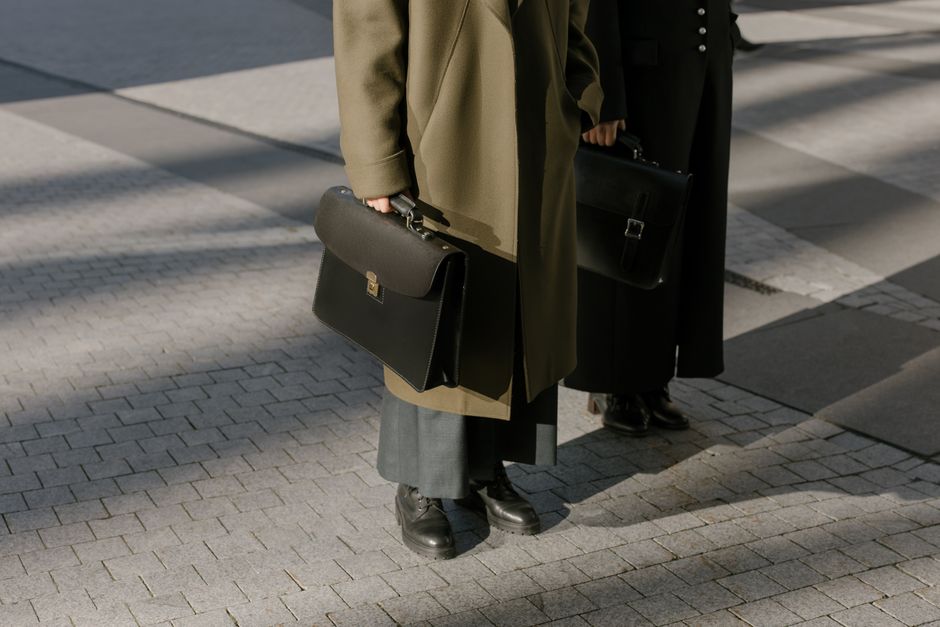
Material Matters: Full-Grain vs. Genuine Leather
The label on a bag can be deceiving. “Genuine leather” sounds fancy, but it’s actually one of the least expensive types of leather. It’s often thin, treated, and prone to wearing down faster — plus it may encourage bag designs that rely on slouch rather than structure.
If you want a commuter bag that lasts and maintains its shape over time, look for phrases like full-grain leather or high-quality vegan alternatives that don’t rely on fluff marketing terms. Full-grain leather is the top layer of the hide — it’s durable, naturally beautiful, and breathes well. It doesn’t slump easily and ages beautifully with wear, making it a worthwhile investment.
Brands like Von Baer really focus on quality leather craftsmanship with transparency about their materials and processes. They’re a good place to start if you want to avoid vague claims and misleading “leather-look” labels.
Comfort and Shoulder Weight: Less Is More
Heavy hardware or bulky designs are my pet peeve. I’ve tested bags with chains and metal accents that add unnecessary weight and fatigue during a long commute — and I’ll call them out every time. Your bag should be light enough to carry all day and comfortable on your shoulder without feeling like a ton of bricks.
Also, wide, padded straps or adjustable designs can make a big difference in distributing weight evenly, especially when you’re juggling a laptop, lunch box, and maybe a toddler’s raincoat. Look for a bag that balances structure with ergonomic comfort.
Easy Access Pockets: Finding What You Need, When You Need It
Nothing kills momentum like rifling through a cavernous, unorganized bag mid-commute. Instead, opt for bags with thoughtfully placed easy access pockets. For example:
- Exterior pockets for transit cards, phone, or keys—preferably with magnetic or snap closures for quick retrieval
- Interior zip and slip pockets to organize pens, notebooks, and tech cords
- Dedicated laptop sleeves or compartments to protect your devices while keeping them accessible
I’ve noticed that sharing tips on Facebook and Twitter helps me discover which brands include smart pocket designs right out of the box. Plus, communities like HonestMum often post realistic reviews that highlight these handy details.
Realistic Daily Carry Needs — What Does Your Work Bag Actually Need to Fit?
Too often, bags are designed for “Instagram-worthy” contents rather than the reality of a busy weekday commute. Here’s a quick checklist you might consider based on my typical day — and feel free to adapt for your own routine:
- Compact umbrella and reusable water bottle
- Laptop, charger, and mouse
- Notebook and pen
- Wallet with transit pass and cards
- Phone and headphones
- Keys (extra points for an easy key leash or clip!)
- Kids' essentials (snack, wipes, small toy) if you’re a parent like me
A structured commuter tote needs to keep all these essentials upright and easily accessible — no rummaging or bottoming out in the depths of the bag.
How Companies Like Scholastic Inspire Practical Design
While Scholastic is best known for children’s books and educational resources, their approach to practicality really resonates with anyone balancing work, family, and commuting. Their commitment to real-world usability reminds bag companies to think beyond trends and focus on user-friendly design.

When I browse offers and user groups on social media platforms like Facebook and Twitter, I often see parents recommending products influenced by Scholastic’s ethos — i.e., things that “just work” amid a packed schedule.
Final Thoughts: How to Choose a Work Bag That Won’t Let You Down on the Train
Feature What to Look For Why It Matters Silhouette Structured commuter tote with reinforced base Stands upright; keeps contents organized on bumpy rides Material Full-grain leather or quality vegan alternatives Durable; resists slumping; ages well Weight Minimal hardware; padded adjustable straps Comfort on longer commutes; less shoulder fatigue Pocket Placement Easy access external & internal pockets with secure closures Quick reach for essentials; keeps bag tidy Brand Transparency Clear material and design info (e.g., Von Baer) Informed buying; avoids misleading buzzwordsRemember, if your bag succumbs at the first squeeze of a crowded train door, it’s not the right fit. Before you commit, test the silhouette, check the materials, and think about your realistic everyday carry needs. And if you see shiny marketing terms like “genuine leather” without backing details, be skeptical — your bag should be as honest and hardworking as you are.
For ongoing reviews and community support, check out conversations on Facebook and Twitter — you’ll find users like those at HonestMum sharing brutally honest takes on commute bags that really suit real-life chaos.
With https://smoothdecorator.com/is-heavy-hardware-on-a-tote-a-red-flag/ the right structured tote in hand, your train commute (and workweek) will feel a little more manageable — and a lot more stylish.