Why Do Well-Made Products Feel Better Over Time?
In a world crowded with fast-made, disposable goods, a well-made product stands apart not just on day one, but especially after years of use. Whether it’s a wristwatch, a mobile app, or even your daily tools, “feeling better over time” is no accident. It stems from a series of deliberate quality choices, consistent craftsmanship, and invisible refinements that shape your day-to-day experience far beyond the mere function.
Let’s explore why such products outperform others, referring naturally to familiar names like The Watch Company (TWC Japan), Rolex, Omega, and even the principles behind things like the TWC Blog site section and the MrQ mobile platform, a well-designed casino app. We’ll dig into how upstream quality work and minute refinements yield reliability and a polished experience that only grows over time.
Craftsmanship Beyond Function: More Than Just Working
When a product is “well-made,” it’s not simply about checking boxes that the product functions as intended. From a former sales floor lead's perspective in a busy Nakano watch shop, it’s clear that the feeling of quality comes from subtle, cumulative factors. For example, at The Watch Company (TWC Japan), every watch models benefits from hands-on inspection and fine-tuning beyond assembly specs.
Take Rolex and Omega, two watchmakers renowned not just for precision, but for creating pieces that reward daily interaction. Rolex’s crown must screw down with a certain tactile “grip” that’s reassuring and smooth—not gritty or too loose—indicating attention to tiny details that most buyers never think to check. Omega’s bracelets offer balanced weight; they don’t tug uncomfortably or rattle, which might seem minor but changes the wearability drastically.
This “beyond function” craftsmanship is what separates watches that feel like tools versus those that feel like companions. They integrate design decisions that refine your daily relationship with the object.
Upstream Quality Work: From Design to Quality Control
You know what's funny? craftsmanship starts long before the end user ever experiences a product. From initial design to final quality control (QC), upstream quality work builds the foundation of that long-lasting, pleasurable experience.
- Design Considerations: Designs that consider ergonomics, ease of repair, and intuitive usability create products that feel natural in use. For example, ergonomic lug shapes in Rolex models reduce wearer fatigue, an overlooked factor during initial design stages but crucial long term.
- Material Selection: Choosing the right alloy, sapphire crystal hardness, or finishing method isn’t only about looking good, it boosts resilience. Omega’s
- Testing & QC: Beyond passing functionality tests, meticulous quality control identifies tiny imperfections that might snowball into future issues. At TWC Japan, QC includes testing crowns, bracelet tension, and movement smoothness, ensuring consistent, reliable performance.
The TWC Blog has highlighted how such processes at The Watch Company focus not just on the obvious specs but on the usability signals that users will feel daily. The end result is a product designed and refined to maintain its polished experience year after year.
Reliability and Long-Term Value: Small Refinements Build Up
Owners of luxury watches, including at Rolex and Omega, often say their watches feel “better” after a few years, which can sound counterintuitive compared to most gadgets that degrade over time. This effect comes from constant small refinements and consistency that underpin reliability.

Let me tell you about a situation I encountered made a mistake that cost them thousands.. Unlike mass-produced commodities, these watches experience continuous improvement across manufacturing batches, translating into better crown seals, smoother gear trains, or enhanced anti-magnetic properties. So, a Rolex Submariner or an Omega Seamaster you buy today likely outperforms its decade-old counterpart in reliability—reflecting the manufacturer’s commitment to relentless polishing of design and build.
Similarly, the MrQ mobile platform, a mobile casino app example, delivers a smooth, intuitive experience that benefits from consistent functionality improvements behind the scenes. Small UI tweaks, reduced load times, and bug fixes might be invisible day-to-day but compound into a polished user experience that keeps players returning confidently.
Table: Comparing Features That Impact Long-Term User Experience
Feature Rolex (Mechanical Watch) Omega (Mechanical Watch) MrQ Mobile Platform (App) Crown Feel & Screwdown High-tolerance, smooth, secure Smooth with tactile grip feedback N/A Bracelet Balance & Comfort Heavily tested, adjusts with wear Ergonomic links, polished surfaces N/A Consistent Function & Reliability 100m+ water resistance, tested rigorously Advanced movements, anti-magnetic Bug fixes, smooth navigation, stable payouts Invisible Design Choices Geometry to prevent wear and tear Material aging considerations Backend optimizations, UX microinteractionsInvisible Details Shape Your Daily Experience
Many buyers get hung up on obvious specs: power reserve, water resistance, or app features. But it’s often the invisible decisions that really make a product feel better over time.
- The tactile sensation of the crown’s screwdown in a Rolex, feeling just right whenever you wind the watch or set the time. Too loose feels cheap; too stiff becomes frustrating.
- Bracelet link edges that are beveled just enough so they don't catch shirt cuffs or pinch skin but still look premium.
- Dial and hand finishing choices that prevent glare and improve legibility over years — qualities deliberately tested by The Watch Company ahead of sale.
- In mobile platforms like MrQ, smooth animations and swift transitions subconsciously signal reliability, creating an effortless enjoyable session.
These subtle refinements turn a product from “just functional” into a polished experience. They’re hard to quantify, but once you’re familiar with them, you thewatchcompany.com can’t go back.
Consistent Function Is the Core of Feeling Better Over Time
Above all, the core promise of a well-made product rests on consistent function. No matter how luxurious or well-polished anything feels, failing at fundamental tasks quickly kills trust and enjoyment.
The Watch Company (TWC Japan) and brands like Rolex and Omega prioritize consistent function — the watch keeps perfect time, the crown never jams, the bracelet doesn’t loosen or squeak. This consistent function gives a grounded confidence that translates into pleasure. You don’t have to think twice whether your watch will keep working tomorrow as it did today.
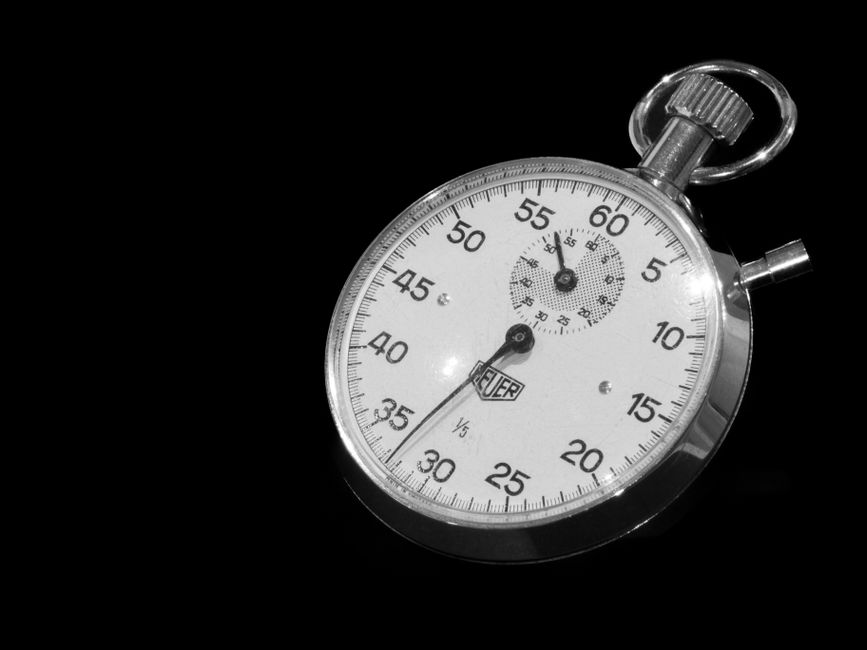
Likewise, reliable technology platforms exemplified by MrQ mobile platform show us how even small bugs or inconsistent payout speeds undermine the user. Continuous polishing to guarantee consistent function is what turns users into lifelong customers.
Final Thoughts: Quality as a Chain of Small Decisions
So why do well-made products feel better over time? Because they are the sum of many small, thoughtful decisions beginning from design and lasting through quality control. Craftsmanship goes beyond function, embedding invisible refinements that improve day-to-day use. Upstream quality work builds reliability that sustains long-term value. And consistent function forms the unshakable backbone of lasting satisfaction.
Whether you’re browsing the refined offerings through The Watch Company (TWC Japan), admiring the tactile excellence of a Rolex, appreciating the ergonomic polish of Omega, or enjoying the seamless experience of a well-tuned mobile platform like MrQ, it’s clear: polishing means everything. It’s the advantage that multiplies quietly over years into something truly priceless.
For more insights into how polish and quality craftsmanship shape your owner experience, check out the TWC Blog site section where we unpack these themes with real-world examples and buying guides.