Why Do Nights Out Feel More Flexible Now?
Nights out used to follow a predictable script: dinner, maybe a bar or two, then home. Now, the modern night out seems to stretch and flex around our mood, company, and energy levels. Thanks in large part to smartphones, portable entertainment, and new social venues like taprooms, a single evening can easily morph from casual hangout to mini-adventure with multiple activities packed in. Let’s break down why nights out feel more flexible than ever and how our habits, venues, and tech shape this freedom.
Taprooms: More Than Just Places to Drink
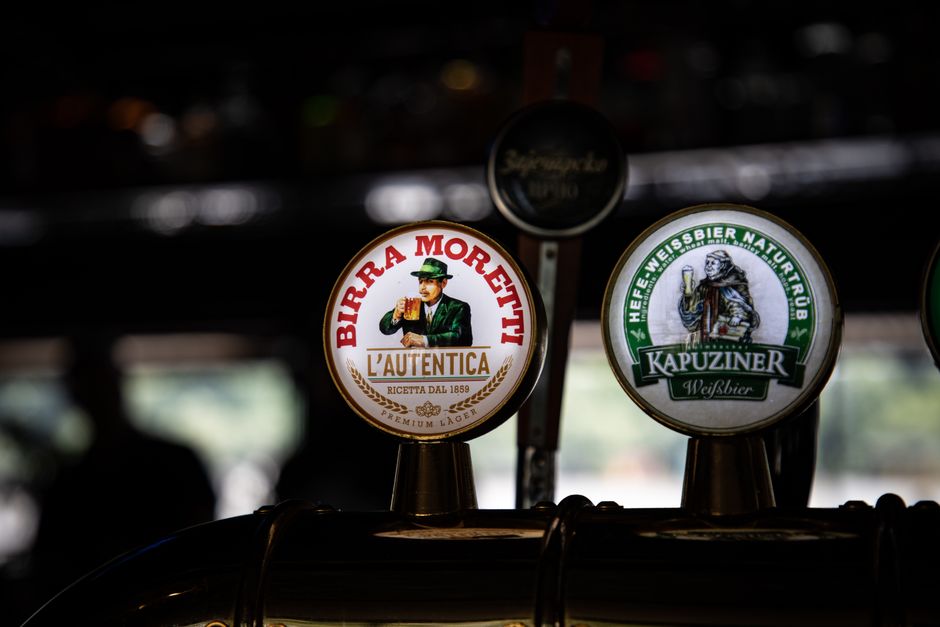
Taprooms have evolved into key social destinations that can anchor an evening but also accommodate a wide range of activities. Unlike traditional bars that often focus on loud music and drinking, taprooms tend to blend casual conversation spaces with curated beer selections, food trucks, and community events. Here’s why taprooms have become go-to spots for flexible nights:
- Varied Seating Layouts: Most taprooms offer a mix of seating—bar stools, lounge chairs, communal tables—that invite different group sizes and moods. Whether you want to lean in for deep conversation or keep a casual distance, there’s a spot.
- Events That Bring People Back: Trivia nights, craft fairs, and live music are staples that create reason to return. These events serve as repeat-visit drivers and often encourage patrons to spend extended time or mix up their order with each visit.
- Food Truck Partnerships: Taprooms often host rotating food trucks, providing diners with diverse options without leaving the space. Having food on site extends the night comfortably without forcing a venue change.
All of these features make taprooms excellent hubs for nights out that can adapt as the group’s vibe changes.
Analog Games: The Social Glue
People often underestimate the role physical games—like trivia, board games, or card games—play in making nights out enjoyable and interactive. These analog games offer much-needed social glue: they structure interaction without overshadowing conversation. Here's how analog games fit in:
- Lower the Pressure: Games help break the ice and keep everyone involved, especially in mixed groups where some might feel sidetracked without a focus.
- Encourage Repeat Visits: Regular trivia nights or game tournaments give patrons a reason to come back and even compete, building community over time.
- Balance Digital Downtime: While smartphones provide flexible entertainment during quiet moments, analog games keep the group engaged together, strengthening social bonds.
Taprooms that make space for these games—wide tables with room for cards, dedicated Browse this site trivia systems, or communal puzzles—capitalize on a social trend that's all about authentic connection.
Smartphones: Portable Entertainment and Downtime Companion
One cannot talk about the flexible nights out without addressing the role of the smartphone. These devices have become portable entertainment centers that allow people to tailor their experience in real time. Here’s why smartphones are more friend than foe in social settings:

- Access to Multiple Activities: From music streaming to social media, mobile gaming, and even mobile deposit casino apps for those who want a quick thrill, smartphones allow people to switch between entertainment modes without leaving their seats.
- Real-Time Planning: Want to find the next bar with live music? Check an event calendar on your phone. Need to split a bill? Payment apps have you covered instantly.
- Downtime Entertainment: During lulls—say, waiting for food or before the trivia starts—smartphones fill gaps without demanding full attention from the group, maintaining presence with background engagement.
While some criticize phones as distractions, they also empower patrons to customize their night on the fly, making going out feel less like a fixed itinerary and more like a choose-your-own-adventure.
Multiple Activities in One Night: The New Normal
The increased flexibility in nightlife stems largely from combining multiple digital ordering at brewery activities in flexible spaces with tech support. Before, you might have dinner, then a drink, then maybe a late-night coffee. Now, a single venue or neighborhood can offer:
- Diverse food options from different trucks or kitchen pop-ups.
- Trivia or game nights that are loosely scheduled but informal.
- Spots for casual hangouts or active socializing, depending on mood.
- Quick check-ins on phones for spontaneous plan changes.
At a taproom, you can sip craft beer, join a game, grab a slice from a pizza truck, and then scroll through social events or catch a mobile casino game—all in one evening. This multi-layered approach makes the night fluid and responsive to how you and your group feel.
Summary: Why Nights Out Feel More Flexible
Factor Impact on Night Out Flexibility Taprooms as Social Destinations Offer adaptable spaces with food trucks and events, catering to diverse activities and groups. Analog Games Facilitate social interaction and encourage repeat visits with engaging structured fun. Smartphones Provide portable entertainment, planning tools, and downtime engagement to personalize the night. Multiple Activities Allow people to fluidly mix dining, games, drinks, and digital engagement in one outing.Final Thoughts
Nights out have become less about sticking to a rigid plan and more about leveraging a combination of space, events, games, and portable tech. Taprooms exemplify this trend by providing venues designed for easy adjustment, enhanced by analog games that keep groups connected and smartphones that offer personalized entertainment and instant information. This blend of analog and digital, structure and spontaneity makes modern nights out feel more flexible, engaging, and suited to how people actually like to socialize today.