Traceability in Fashion vs. Wellness: Why Are They Linked?
Luxury used to announce itself at the door: the occasion dress, the polished shoe, the bag whose logo could be read across a room. Increasingly, it shows up in the ordinary parts of a day—soft clothes for travel, a well-made layer for a walk, skincare or supplements folded into a daily routine. As fashion moves closer to wellness, shoppers are asking a shared question: what is this made of, and can the brand show me?
That is where traceability in fashion and wellness meet. Both industries sell things that touch the body, and both rely on trust: trust in the materials, ingredients, manufacturing, and claims behind a product. A garment’s fiber content and a supplement’s ingredient list are not the same kind of information. But the expectation is similar: clear details should support the story a brand tells.
The link matters because wellness language is now part of fashion branding, while fashion’s comfort and material choices increasingly shape how people think about everyday wellbeing. For consumers, traceability wellness is not a single certification or aesthetic. It is the ability to follow a product’s story far enough to judge whether its promises have evidence behind them.
When luxury moves into the everyday
One visible shift in luxury is from dressing mainly for occasions to investing in things that work across a regular week. A soft knit, a versatile coat, or clothing designed for movement may be worn more often than a special-event piece. That changes the value calculation. If a product is part of daily life, its comfort, durability, care requirements, and sourcing become harder to ignore.
This does not mean every everyday garment is automatically responsible, or that a high price proves better sourcing. It means buyers have more reasons to look beyond the first impression. How does the fabric feel after a full day? Is the construction made to hold up? Can the brand explain where its materials came from and how the item should be cared for?
Brands such as lululemon sit in a category where performance, comfort, and clothing are closely connected. That makes material and construction details especially relevant to the product story. The same scrutiny should apply across price points: a technical-sounding name is not a sourcing explanation, and a comfortable fit does not tell shoppers how a garment was made.
Wellness language becomes a fashion signal
Fashion has borrowed heavily from wellness vocabulary: balance, recovery, movement, softness, and feeling good in one’s body. Some of that reflects a real shift in how people dress. Stretch, breathability, and freedom of movement are useful design considerations, not just marketing ideas. But when brands use wellness language, consumers should be able to tell whether it describes a concrete feature or simply adds a pleasant mood to an advertisement.
“Designed for comfort” can be explored through details: the fabric’s composition and weight, seam placement, stretch and recovery, lining, and how the garment is intended to fit. “Supports wellbeing,” by contrast, is a broader claim. It needs more care, because clothing alone cannot establish a medical or reveriepage.com health benefit. Specific, modest descriptions are more useful than sweeping promises.
The same standard applies in wellness products. Joy Organics is a useful example of a brand shoppers may encounter while researching wellness; its presence in that category does not, by itself, settle questions about a specific product, ingredient, or batch. Readers should look for relevant product documentation, understand what the testing covers, and check whether reports identify the product or batch they are considering. A brand statement is not a substitute for evidence.
Quiet status signals—and the proof behind them
As loud logos lose some of their appeal, status can show up in less obvious ways: a fabric that drapes well, a garment that stays comfortable, considered finishing, or a product whose details are easy to verify. These signals can be meaningful, but they can also work like a logo. “Clean,” “conscious,” “premium,” and “responsibly made” may imply care without explaining what happened in the supply chain.
Traceability helps separate substance from shorthand. It asks whether a brand can connect the finished product to usable information about its materials and production. Depending on the item, that might include fiber or ingredient origins, processing, manufacturing locations, supplier standards, or relevant testing. Not every detail will be available for every product, but a credible account should say what is known, what is not, and how the brand is working to close gaps.
That distinction matters in the sustainable fashion overlap with wellness. A product can feel luxurious and still have an opaque supply chain. A responsibly sourced material can be part of a stronger product story, but it does not automatically make the entire product sustainable. Look for specifics, not a mood board of reassuring words.
Comfort is a design requirement, not a vague promise
Comfort is often described as if it were universal. It is not. One person may value a smooth interior; another may care most about breathability or freedom around the shoulders. Brands can make the conversation more concrete by describing the sensory and construction choices behind a garment.

Fabric hand
“Hand” refers to how a fabric feels and behaves when touched and worn. Is it crisp, brushed, fluid, cool, or substantial? Fiber content is a starting point, but it does not answer everything: yarn, knit or weave, finishing, and fabric weight affect the result too. Product descriptions that give shoppers these details are more useful than an unsupported claim of “buttery softness.”
Seamless construction and fit
Seamless or reduced-seam construction can change how a garment feels against the skin, but it is not automatically superior for every body or activity. Fit, pressure points, stretch, and durability all matter. Brands should explain what the construction is designed to do, rather than relying on the word “seamless” as a complete comfort story.
Sensory detail
Small details can determine whether a piece becomes a favorite: a tag that irritates, a waistband that rolls, a lining that traps heat, or a fabric that changes after washing. Clear care instructions and honest notes about fit and feel help shoppers make decisions before buying. They also signal that the brand understands the product as something worn, not just photographed.
What responsible sourcing can—and cannot—tell you
Responsible sourcing is an umbrella term, not a universal guarantee. It may refer to a material choice, supplier practices, labor standards, environmental management, or a combination of these. The relevant question is: responsible in what respect, according to which evidence, and across which part of the product’s journey?
For fashion, shoppers can look for information such as:
- Specific fiber content and, where available, the source or origin of key materials.
- Clear explanations of manufacturing stages and supplier expectations.
- Evidence supporting environmental or social claims, including the scope and limitations of any certification.
- Care, repair, or durability guidance that helps extend the useful life of the item.
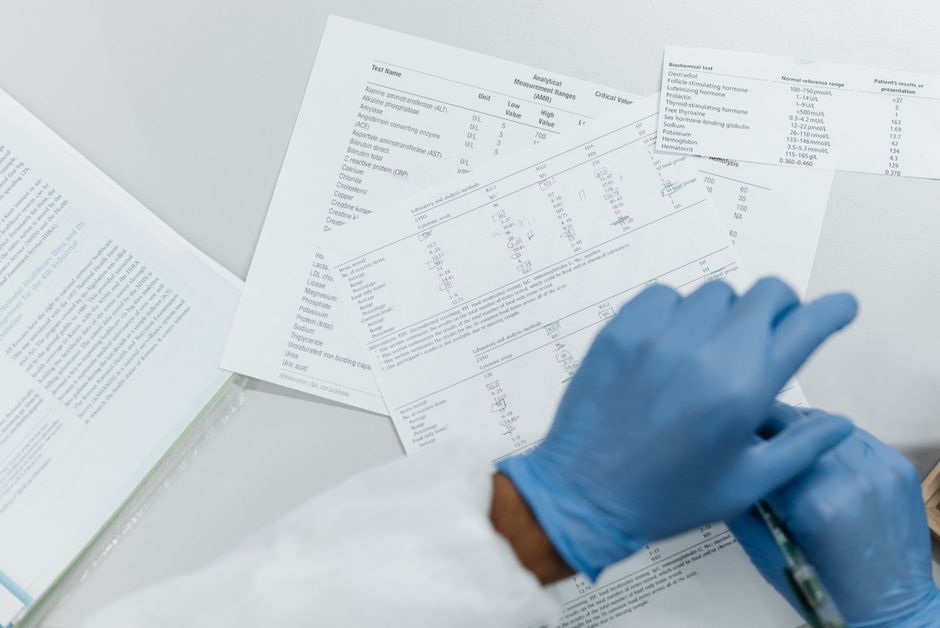
For wellness products, the useful documentation will differ. Depending on the product, it may include a full ingredient list, sourcing information, testing details, or a batch-specific report. A report should make clear what was tested, by whom, and for which product or batch. If that information is missing, shoppers can ask the company directly rather than assuming a general quality statement answers the question.
A practical way to read the product story
- Identify the claim. Is the brand promising comfort, traceability, a sourcing standard, or a health-related outcome?
- Look for the supporting detail. Check material or ingredient disclosures, supplier information, testing, and the exact scope of any certification.
- Check that the evidence matches the item. A company-wide statement may not apply to every style, ingredient, or production batch.
- Notice what is absent. If a claim is broad but the documentation is vague, treat the claim as unverified rather than filling in the blanks yourself.
- Consider the product in use. Fit, hand, care, durability, and how often you expect to use it all belong in the value assessment.
Traceability is part of the editorial experience
Good product information should be easy to find, not hidden behind a vague sustainability page. Digital publishing can help make those details legible. A Squarespace-hosted site, for example, can organize a story with a clear article page, a linked author page, and supporting images served from a Squarespace CDN. That structure does not prove a product claim; it simply gives editors a practical way to present context, credits, and references in an accessible format.
For an editorial feature, an author link might follow a straightforward path such as the author page, while a reader-feedback link could be labeled PAGE Reader Survey. Images hosted on a squarespace-cdn address can illustrate fabric, construction, or product details, but captions and sourcing notes still matter. A polished page is no substitute for a linked report, a clear disclosure, or an answer to a reader’s question.
At PAGE Magazine, including a feature such as Reverie PAGE, that distinction is important: visual storytelling can make a product appealing, while careful reporting helps readers understand what the appeal rests on. If a brand publishes batch lab results, that is the kind of documentation worth keeping on a research list—but readers should still check that the results correspond to the product they are considering.
The link is trust, not trend
Fashion and wellness are linked because both shape intimate, repeated experiences: what touches the skin, what enters a routine, and what a person chooses to trust. Luxury’s move from occasion dressing toward everyday use makes comfort and durability more visible. Wellness language in fashion makes precise claims more important. And quieter status signals invite a better question than “Does this look premium?”—namely, “Can the brand show me why it deserves that confidence?”
Traceability is not a guarantee that a product is perfect, nor does one label settle every question of sustainability or safety. It is a way to make claims more accountable. The strongest brands do not ask shoppers to mistake softness for care or a polished story for proof. They explain the materials, the process, and the limits of what they know—and make the evidence easier to find.