Should I Use a Timer for a Short Break or Is That Overkill?
In today’s work culture, where meetings blur into emails and laptops glow incessantly, the idea of taking breaks is more crucial than ever. Yet, there’s a question many professionals ask themselves: should I use a timer for a short break or is that overkill? Whether you’re working at your desk with laptop notifications pinging or juggling phone alerts, carving out intentional rest moments can feel like a challenge. This post walks through the why and how of timing your short breaks with practical insights, research from leading workplace health authorities, and real-world tips. Spoiler alert: music as a break a simple tool like a break timer might be just the boundary you didn’t realize you needed.
Understanding the Purpose of a Break Before You Take It
Before we dive into whether or not you should time breaks, it’s essential to understand the purpose of a break before the activity you take it from. The Health and Safety Executive (HSE) emphasizes that breaks in the workday are not just a chance to zone out — they are vital opportunities to reset your mind, reduce fatigue, and prevent musculoskeletal strain.
Breaks serve many roles depending on the task you’re stepping away from:
- After screen-heavy work (e.g., reading reports, coding): Provide visual rest to combat screen fatigue.
- After mentally intense tasks (e.g., drafting emails, brainstorming): Recharge cognitive capacity and improve focus.
- After static postures (e.g., sitting at a laptop): Change posture to relieve muscle tension and improve circulation.
Knowing what kind of restoration you need shapes the kind of break you take. This clarity is important before choosing whether to use a break timer.
Micro-Breaks and the Importance of Clear Endings
Micro-breaks — short pauses lasting 1-5 minutes — are gaining increasing attention due to their potent benefits for both mental and physical health at work. According to user experience insights shared on MRQ, micro-breaks are best when they have clear starting and ending points.
Why? Because unclear boundaries often lead to “drift,” where a quick break stretches into “just one more email” or scrolling social feeds for 15 minutes, defeating the break’s purpose. I've seen this play out countless times: learned this lesson the hard way.. This is where using a break timer or timeboxing your pause entrants as a guardrail.
- Timers help create a promise of return — you know exactly when to sit back down, which makes stepping away mentally easier.
- They reduce break anxiety — no need to constantly check the clock or feel guilty for stepping away.
- Timer cues and alarms remind you to switch your focus back to work, enhancing productivity after the break.
While some may think timing breaks is robotic or overly rigid, the clarity it provides can ironically feel more freeing, especially if you struggle with post-break decision fatigue.
Screen Fatigue and Posture: Why Your Break Timer Should Encourage Movement
During the workday, most of us spend hours in front of laptops, bombarded by phone notifications and software alerts. Both the HSE and ergonomic specialists agree that this continuous screen time can cause:
- Eye strain and headaches
- Neck, shoulder, and back discomfort
- Posture issues that can worsen over time
A break timer’s utility goes beyond mere timing—it can prompt you to physically shift positions, stretch, or glance away from screens to points of focus longer than 20 feet, reducing digital eye strain. ChuckleS Life, a wellbeing brand focused on workplace humor and health, suggests keeping a tiny “break menu” right near your monitor as a reminder to change activities during these short pauses. Your break timer can be synchronized with these simple, no-cost activities.
Sample “Break Menu” to Use With Your Timer
- Stand up and stretch your back and shoulders
- Look out your nearest window and focus on something at least 20 feet away for 30 seconds
- Roll your neck gently left and right
- Shake out your hands and wrists
- Walk briefly to refill water or get fresh air
This kind of activity during micro-breaks, accompanied by a timer, turns otherwise wasted downtime into effective rest that enhances your back to work readiness.
Timer Types: Laptop Apps, Phone Notifications, and the Best Practices
When it comes to choosing a break timer, many options exist:
- Laptop-based break timers: These apps can detect idle time, remind you to take breaks, and sometimes even block distracting websites during rest periods. Popular productivity tools include Pomodoro apps or dedicated break reminder programs. For instance, MRQ highlights certain laptop timers that integrate with popular work software to smooth workflow interruptions.
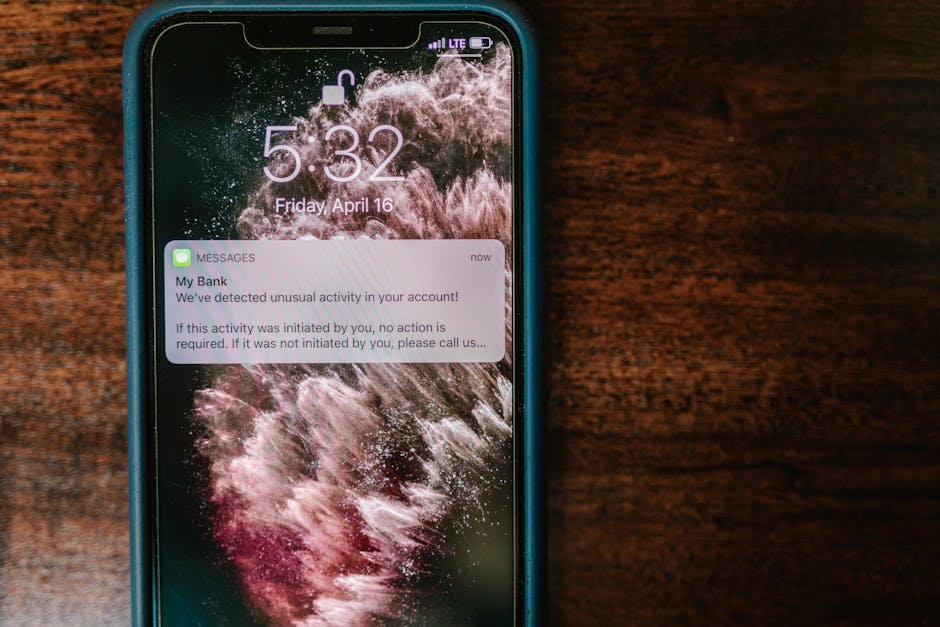
- Phone notifications: Using your smartphone’s built-in timer or reminder function can also be effective. Many people prefer this for portability—but beware of the temptation to start scrolling social feeds on the same device. Put phone on “Do Not Disturb” during breaks for best results.
- Physical timers or alarms: Simple kitchen timers or wearable devices can also enforce boundaries without the distractions that come from digital devices.
Whatever type you pick, the key is consistency and intention. As someone who once managed an office full of busy professionals, I always encouraged setting a 5-minute timer even when it felt silly. The timer provides accountability and gently nudges you back into the routine, rather than letting breaks turn into “just one more task.”

Addressing Common Concerns about Using a Break Timer
“Timers feel too strict or make me anxious.”
If you worry a timer will make your breaks stressful, consider this: the timer isn’t a rigid box but a kind helper setting a gentle boundary. Start with flexible durations and ease into your practice. Over time, you’ll likely find it removes the pressure of guessing when to end breaks.
“I don’t want to buy special gear or apps.”
Many tips recommend fancy equipment, but this isn’t necessary. Use tools you already have: your laptop’s clock, built-in alarms on your phone, or even a kitchen timer can do the job perfectly.
“Breaks turn into doomscrolling or extra emails.”
This is a pet peeve of mine — calling “doomscrolling” a break defeats the whole point of resetting. Setting a clear timer creates a boundary that helps you avoid getting sucked into unproductive activities, so your break remains restorative.
How to Make Timer-Based Breaks Work for You
To maximize the benefits from your break timer, try following this simple routine:
- Set the intention: Know why you’re taking the break — visual rest, posture change, or mental reset?
- Choose your break activity: Pick something simple and non-screen-based from your “break menu.”
- Set a realistic timer: 3-5 minutes is effective for micro-breaks. Adjust as you discover what fits your workflow.
- Fully step away: Close your laptop lid or turn away from your screen, silence or hide phone notifications.
- When the timer rings: Return promptly to work, refreshed and with clear boundaries.
This approach aligns well with HSE guidelines to manage risks associated with prolonged screen use and sedentary work postures.
Summary: Is Using a Break Timer Overkill?
For most people, the question “should I use a timer for a short break?” doesn’t hinge on whether breaks are needed — they are! — but whether a timer enhances that break’s quality rather than detracts. As I’ve coached countless teams and experimented myself, my answer leans strongly toward using a break timer to create clear, intentional micro-breaks with defined start and end points.
Timer-based breaks guard against getting lost in distractions (especially with laptop and phone notifications buzzing), encourage posture shifts and eye rest, and set firm boundaries that help your brain and body know when it’s truly time to pause and restart.
And remember: it doesn’t have to be complicated, expensive, or rigid. Sometimes just setting a 5-minute timer and looking out a window before opening a feed works wonders — something I always keep handy on my tiny taped “break menu” near my monitor at home and in the office.
So, is using a break timer overkill? For most knowledge workers balancing screen time and constant notifications, it’s not only helpful; it’s a small practice that pays big dividends in wellbeing and productivity.
Further Resources
- HSE Guide to Display Screen Equipment
- MRQ Insights on Productivity and Breaks
- ChuckleS Life Tips for Workplace Wellbeing