My Toes Feel Numb After Pointed Heels: Should I Worry?
It’s a familiar scene: you slip into a sleek pair of pointed heels for a night out or an important event, enjoying the polished look they give your outfit. But then, as you transition from the car to the door—maybe even on the walk across the parking lot—you notice a strange tingling or numbness creeping between your toes. If you’ve ever experienced numb toes after wearing heels, especially pointed ones, you’re not alone. But what’s actually happening in your feet? And should that numbness alarm you?
As someone who has spent over a decade fitting heels for everyone from brides to corporate professionals, I’ve seen this issue countless times. Plus, I regularly collaborate with physical therapists and pharmacists to ensure product safety, so I understand both the comfort and health aspects involved. Today, we’ll unravel the why behind your toe numbness after pointed heels, and guide you on smart steps to relieve it—using some simple tools like a tennis ball and a chilled water bottle, and even topical options like Joy Organics 1000mg CBD Cream for soothing relief.
The Anatomy of Forefoot Load in Pointed Heels
When you wear pointed-toe heels, your foot’s natural biomechanics are under silent but significant strain. The narrow toe box squeezes the toes together, compressing not just skin but underlying nerves and blood vessels—particularly between the toes. This compression is often the root cause of what we call “numbness between toes.”
Why Does Pointed Toe Box Compression Cause Numbness?
Imagine your forefoot—the ball of your foot—as a busy intersection where multiple nerves pass through tight spaces. When you wear shoes with a pointed toe box, those nerves can get pinched or irritated, much like if you suddenly compressed a garden hose and restricted water flow. This nerve irritation leads to the sensations of numbness, tingling, or even burning.
Medical professionals often describe this as a form of nerve entrapment. One common example is Morton’s neuroma, where the nerve between the third and fourth toes thickens and causes discomfort. While Morton’s neuroma is a specific diagnosis, mild nerve irritation from footwear compression can produce similar symptoms.
Forefoot Load & Metatarsal Pain: Why Your Feet Hurt in Heels
The height of your heel affects how much pressure your forefoot bears. When your heel is elevated, your body weight shifts forward, increasing the load on your metatarsal heads (the "ball" of your foot). This excessive pressure leads to inflammation and pain in that area.
Heel Height Approximate Forefoot Load Increase Flat or Low Heel (0 – 1 inch) Normal physiological load (~50% bodyweight) Moderate Heel (2 – 3 inches) 30% – 50% increase in forefoot load High Heel (3+ inches) More than 50% increase in forefoot loadWith pointed heels, you combine the pressure shift with the toe box compression, and the forefoot gets a double whammy: elevated force and nerve crunching.
Can This Lead to Lasting Damage?
Temporarily, the answer is usually no. But repeated, long-term pressure without relief may cause persistent nerve irritation or even callosity build-up, making numbness a recurring problem. That’s why recognizing the signals early helps you avoid chronic issues.
Calf Shortening & Reduced Ankle Range of Motion: The Hidden Consequences
Wearing heels regularly doesn't just affect your toes and feet—it also retrains your posture and muscles, including the calves. When you wear heels, especially pointed ones, your calves are in a shortened position most of the day.
This shortening happens because the heel elevates the back of your foot, encouraging your calf muscles (gastrocnemius and soleus) to contract. Over time, these muscles adapt to stay tighter. Why does this matter? Because a shortened calf muscle limits your ankle range of motion.
Picture trying to squat while wearing high heels. Your ankle lacks the flexibility to dorsiflex (bend upward), which forces other joints higher up the chain—like your knees and hips—to compensate. This compensation often manifests as posture changes and lower back stiffness, both common complaints for heel-wearers.
The Soleus Muscle: The Often Ignored Player
Most stretching advice focuses on the gastrocnemius muscle, but the soleus—lying underneath—is equally important, especially for everyday walking and standing. It contributes to ankle flexibility and stability. Ignoring soleus tightness means incomplete relief and ongoing foot discomfort.
To stretch it properly, a slightly bent knee lunge stretch, with your back leg bent and heel pressing down, works wonders. But more on stretches later.
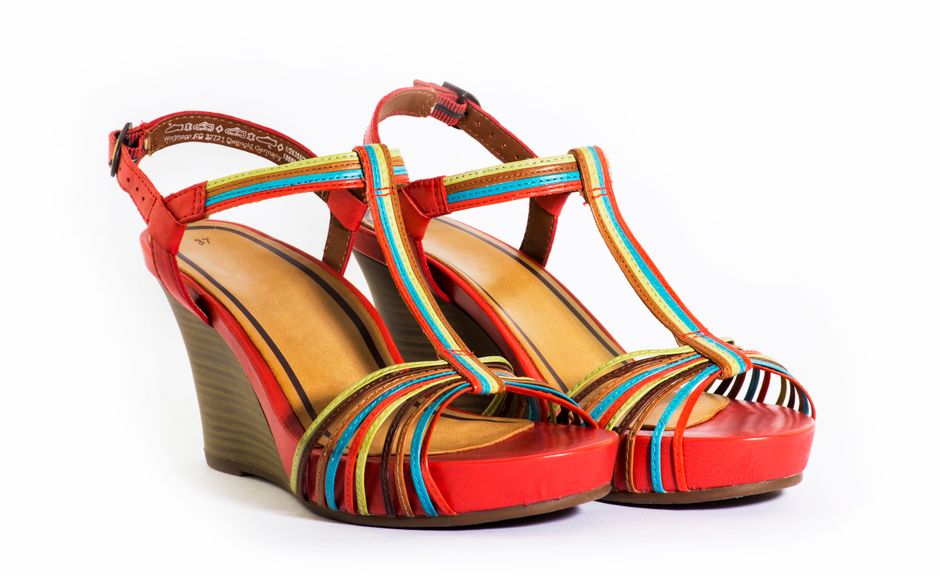
Posture Changes and Lower Back Stiffness from Heels
When your ankle movement is limited, your body compensates by shifting your center of gravity forward. To stay balanced in heels, you lean back at the hips and arch your lower back excessively (a condition called lordosis). Over time, this leads to stiffness and even pain.
So, foot numbness after pointed heels can sometimes be a tip-off that your body mechanics are compromised beyond just the toes.

Simple At-Home Tools to Relieve Foot Numbness and Improve Mobility
Now that we understand the “why,” what can you do the moment your toes start feeling numb or your feet ache?
1. Use a Tennis Ball for Foot Rolling
Rolling a tennis ball under your foot helps massage the plantar fascia and metatarsal heads, improving circulation and reducing nerve irritation. Here's how to do it:
- Sit comfortably in a chair.
- Place a tennis ball under the arch of your foot.
- Roll the ball slowly, focusing on tight or tender spots for 1 – 2 minutes per foot.
- Don’t press so hard it causes pain, just firm enough to feel relief.
2. A Chilled Water Bottle Roll
A frozen water bottle does double duty: rolling it under your foot stimulates the nerves while the cold reduces inflammation. It’s especially helpful after a long day in heels.
Tip: Freeze a partially filled plastic water bottle and roll it gently under your foot for 10 minutes.
3. Calf and Soleus Stretching
Stretch your calf muscles daily, focusing on both the gastrocnemius and soleus. The soleus stretch is best done with knees slightly bent against a wall or curb.
4. Topical Relief with Joy Organics 1000mg CBD Cream
For inflammation and nerve irritation, topical CBD creams can ease discomfort by acting on the body's cannabinoid receptors. Joy Organics 1000mg CBD Cream is a high-quality, lab-tested option with clear potency—important for avoiding vague wellness claims.
Applying a small amount to your forefoot area after rolling can help soothe nerve irritation and reduce inflammation.
When to See a Doctor for Foot Numbness
While mild, occasional numbness from wearing pointed heels is usually harmless, certain symptoms warrant medical attention. Consider consulting a podiatrist or healthcare professional if you experience:
- Numbness that lasts more than a few hours after shoe removal.
- Persistent tingling, burning, or stabbing pains between the toes.
- Visible swelling, redness, or skin changes on your foot.
- Difficulty walking or balance problems.
- Numbness spreading beyond the toes or involving the entire foot.
- A known history of diabetes or peripheral neuropathy.
Why Medical Advice is Important
Chronic nerve irritation can lead to lasting nerve damage if untreated. A healthcare professional can provide a precise diagnosis—ruling out conditions like Morton’s neuroma or tarsal tunnel syndrome—and suggest targeted treatments ranging lovelolablog from orthotics to physical therapy.
Summary: Balancing Style and Foot Health
Pointed heels are undeniably stylish, but they come with biomechanical consequences that can cause numbness between toes due to pointed toe box compression and increased forefoot loading. Additionally, calf shortening and reduced ankle range of motion contribute to altered posture and potential lower back stiffness.
To protect your feet and body, use simple tools like a tennis ball for foot rolling, chilled water bottles for anti-inflammatory effects, and consider topical treatments such as Joy Organics 1000mg CBD Cream for soothing relief. Always incorporate proper calf and soleus stretching to maintain ankle mobility.
And importantly, pay attention to your body’s signals. When to see a doctor for foot numbness includes persistent symptoms, spreading numbness, or mobility issues. Early care helps you stay in heels comfortably without compromising your foot health.
Remember, your feet support you all day long—even in those chic pointed heels. With mindful care and good fit, you can enjoy style without the pain.