I love coffee taste but caffeine ruins my sleep – what should I try first?
If you love the smell, warmth and first sip of coffee but lie awake after drinking it, you don’t necessarily have to give up the whole ritual. The most useful first step is usually to look at when you drink caffeine, how much you’re having and how sensitive you are to it. Then you can make one small change at a time and see what happens to your sleep.
That’s more practical than reaching straight for a “sleep” supplement or an elaborate functional latte. Caffeine can linger for hours, and its effects vary between people. A morning coffee that feels harmless to one person may still affect another person’s ability to fall asleep. The aim is to find a routine that gives you the flavour and comfort you enjoy, without leaving you wide awake at bedtime.
First, check your caffeine timing
Caffeine is a stimulant, and it can affect sleep even when you no longer feel noticeably energised. The Mayo Clinic notes that caffeine can interfere with sleep and that its effects may last for several hours. How strongly you notice this depends on factors including the amount you drink, the time of day and your individual sensitivity.
Try working backwards from your usual bedtime. If you go to bed at 10.30 pm, a coffee at 4 pm may be too late for you, even if it feels like a small afternoon pick-me-up. There isn’t one perfect cut-off that suits everyone. A sensible experiment is to stop caffeine at least six to eight hours before bed, then move the cut-off earlier if your sleep still seems affected.
For a week, jot down your coffee times, approximate amounts and bedtime. Add a brief note about how long it took you to fall asleep and whether you woke during the night. You don’t need a detailed sleep diary; a few lines can help you spot patterns that are easy to miss from https://www.theinspirationedit.com/coffee-alternatives-to-try/ memory.
Don’t forget caffeine beyond coffee
Tea, cola, energy drinks, chocolate and some pre-workout products can all contribute to your total caffeine intake. A late cup of strong tea may be the overlooked factor, particularly if you have already moved your coffee earlier. Check serving sizes, too: a large takeaway coffee may contain considerably more caffeine than a small cup at home.
Keep the morning ritual, even if you change the drink
For many people, coffee is more than a caffeine delivery system. It is a pause before the school run, a familiar smell in the kitchen or a few quiet minutes before work. You can keep those parts of the ritual while changing what is in the cup.
Use the same favourite mug, make the drink at the same time and give yourself a moment to sit down with it. If coffee is part of a slow start, replacing it with a drink you rush through may make the change feel like a loss. The history and everyday culture of coffee are part of its appeal; Smithsonian Magazine has explored coffee’s long journey and its place in social life. It’s perfectly reasonable to value the ritual as well as the taste.
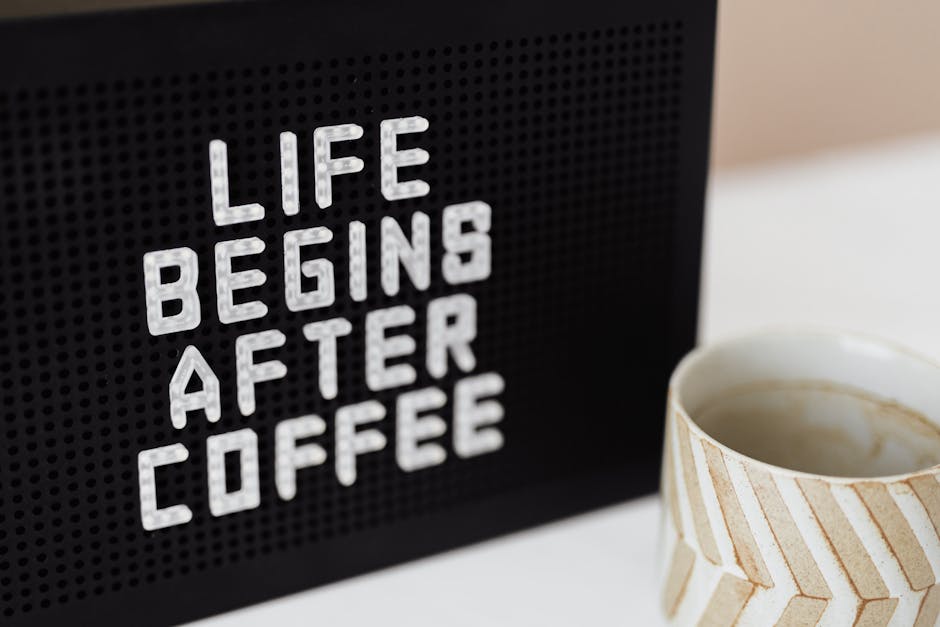
On a rushed school morning, set out your mug and chosen coffee alternative the night before. If you still want caffeine, have your usual coffee with breakfast and avoid adding a second cup while getting everyone out of the door. A simple, repeatable plan is easier to maintain than a complicated morning routine.
Try gradual coffee reduction rather than stopping overnight
If you drink several caffeinated coffees a day, cutting them all out at once can bring on headaches, tiredness or irritability. A gradual reduction is often more comfortable. Start by changing one cup, rather than trying to overhaul every drink at once.
- For the first few days: keep your morning coffee, but move any later caffeinated cup earlier.
- Next: replace one later coffee with half-caf, decaf or a caffeine-free alternative.
- After that: reduce the strength or size of the remaining caffeinated coffee if you still suspect it is affecting sleep.
- Review: give each change several days and note whether falling asleep feels easier.
“Half-caf” can mean different things depending on how it is made, so ask what is in the blend or check the packaging. Decaf is not always completely caffeine-free, either. If even a small amount seems to affect you, look for clear information about caffeine content and consider a fully caffeine-free drink in the afternoon and evening.
What to try for coffee flavour without the same caffeine hit
Option What it may suit What to check Decaf blend You want a familiar coffee taste and brewing routine. Whether it is labelled decaffeinated and how it is processed; decaf can still contain a small amount of caffeine. Half-caf You want to reduce caffeine gradually without changing the taste too much. The actual mix of regular and decaf coffee, and the serving size. Chicory coffee You enjoy a roasted, dark flavour and are open to a coffee-like drink made without coffee beans. Whether it contains chicory alone or is blended with coffee, and whether added ingredients suit you. Functional latte You like a milky, flavoured drink and want to try a different base. The full ingredient list, caffeine content, sweeteners and amounts of any added extracts.Decaf blend: the closest first swap
If it’s the taste of coffee you miss, a decaf blend is often the simplest place to start. Look for a roast and brewing style you already enjoy. A dark roast may suit someone who likes a bold, less fruity cup; a lighter roast can bring more brightness. If you make coffee at home, try a small bag first rather than buying a large quantity before you know you like it.
People sometimes assume that “decaf” means absolutely no caffeine. It generally means most of the caffeine has been removed, not necessarily every last trace. If you’re very sensitive, check the producer’s information and notice how you respond. You might also try a mix of regular and decaf beans, then gradually increase the decaf proportion.
Chicory coffee: roasted and coffee-like, but different
Chicory coffee is made from roasted chicory root, either on its own or blended with coffee. It can have a deep, earthy, slightly bitter taste that works well with milk. The flavour is not identical to coffee, so prepare a small cup first and adjust the strength to your liking.
Check the pack carefully: a product described as a chicory blend may still contain caffeinated coffee. Chicory also isn’t suitable for everyone, and people with relevant allergies or health concerns should check with a clinician or pharmacist before trying it. A short ingredient list makes it easier to understand what you’re drinking.
Organic Arabica coffee: a bean choice, not a caffeine solution
Organic Arabica coffee may appeal if you prefer Arabica’s flavour profile or want to choose beans grown under organic standards. But “organic” describes how the coffee is produced; it does not mean the drink is caffeine-free or guaranteed to be gentler on sleep. Arabica coffee still contains caffeine, and the amount in your cup depends on the beans, serving size and brewing method.
If you want to keep the taste of Arabica while reducing caffeine, look for an organic decaf option and check that it is clearly labelled as decaffeinated. A company such as Aurive can be one of several brands to compare, but don’t rely on the front of the packet alone. Read the ingredients, serving guidance and any available caffeine information before choosing.
Functional lattes: read the label before you buy
Functional lattes are often marketed with ingredients such as adaptogens, mushrooms, herbs or amino acids. Some may taste pleasant, but claims that a drink will “balance hormones”, “reset your nervous system” or guarantee better sleep deserve caution. A wellness-sounding name does not tell you how much of an ingredient is included, whether it has been studied in that form or whether it suits you.
Be especially wary of a proprietary blend that lists several ingredients but hides the amount of each one. It is difficult to assess what you’re taking if the label does not show individual quantities. Look for a complete ingredient list, clear serving sizes and straightforward statements about caffeine. Check for tea, coffee, cocoa or added green coffee extract if you’re trying to keep caffeine low.
If a functional latte contains L-theanine, remember that the presence of an ingredient is not proof that the product will improve your sleep. L-theanine is an amino acid found naturally in tea and is also sold in supplements. Research and products vary, and it should not be treated as a guaranteed antidote to caffeine. If you take medication, are pregnant or breastfeeding, or have a health condition, ask a healthcare professional before adding a supplement or concentrated ingredient to your routine.
Also check for sweeteners, added sugar and allergens. A drink can be caffeine-free and still be a poor fit if it makes you feel unwell or is too sweet for everyday use. Choose it because you enjoy the taste and can understand the label, not because the packaging promises a dramatic transformation.
A simple two-week experiment
Instead of changing your coffee, supplements and bedtime all at once, run a small experiment. That gives you a better chance of noticing what actually helps.
- Days 1–4: keep your usual coffee but record when you drink it and roughly how much.
- Days 5–9: keep the morning cup and move your caffeine cut-off earlier. Replace later cups with water, herbal tea or a caffeine-free drink you enjoy.
- Days 10–14: if sleep is still troublesome, swap your morning coffee for half-caf or a decaf blend, or gradually reduce the strength.
Keep your bedtime and wake-up time reasonably steady where possible. You’re not trying to create laboratory conditions; the point is to avoid changing everything at once. If you have a particularly disrupted week, such as a sick child or shift changes, treat the notes as useful information rather than a verdict on your coffee.
When to ask for help
If sleep problems continue despite moving caffeine earlier and reducing your intake, there may be other factors involved. Stress, pain, medication, alcohol, irregular working hours and health conditions can all affect sleep. Speak to your GP if poor sleep is persistent, affects your day-to-day life or comes with other concerning symptoms. Don’t stop prescribed medication or add supplements without getting appropriate advice.
What to try first
Start with timing: keep your favourite morning coffee, set an earlier caffeine cut-off and see how your sleep responds over several days. If that is not enough, reduce gradually and try a decaf blend or chicory coffee while keeping the familiar mug-and-morning pause. Read functional latte labels with a cool head, especially when they rely on vague blends or promise a quick fix.
You may not need to give up coffee altogether. The right routine could be a smaller caffeinated cup with breakfast, followed by decaf or a caffeine-free alternative later on. The best choice is the one that tastes good, fits your real mornings and lets you get the rest you need.
