I Have Antiques and Heirlooms — What Should I Tell My Mover?
Moving to a new home is always a big event, and when you have antiques and heirlooms involved, it adds a layer of emotion and responsibility that can’t be overlooked. These treasured possessions often carry not only monetary value but deep sentimental meaning, so handling them with utmost care is absolutely crucial. If you’re preparing for a move and wondering how to best communicate your needs with the moving company, this guide is for you.
Why Clear Communication About Antiques Handling Matters
Every move is unique, but when antiques and heirlooms are part of the inventory, the stakes rise considerably. Not all moving companies approach delicate or valuable items with the same level of expertise. It’s essential to set expectations early to avoid surprises, unexpected fees, or, worst of all, damage to your belongings.
Establishing a thorough, transparent dialogue with your mover — such as trusted regional experts like Southside Moving & Storage — will ensure everyone involved understands the scope and specialization your move demands.
What to Cover in Your Initial Pre-Move Consultation
A comprehensive pre-move consultation is your opportunity to discuss your antiques, heirlooms, and any specialty packing requirements. Here’s what you should bring up:
- Detailed Inventory List: Prepare an inventory of items that require special handling—artwork, grandfather clocks, crystal, silverware, delicate textiles, etc. This list will guide movers on what precautions are needed and help in estimating costs accurately.
- Condition and Value Disclosures: Reveal any fragile conditions or existing damage. This transparency helps movers plan protective measures. It also ensures your insurance coverage reflects the actual value of these possessions.
- Specialty Packing Needs: Ask your mover if they provide custom crating, climate-controlled transport, or specialized packing materials like acid-free tissue, wooden crates, and museum-grade bubble wrap.
- Access Constraints: Inform about stairs, elevators, narrow hallways, or parking restrictions. Movers need to know these logistics to prevent last-minute schedule changes or damage while navigating your property.
Full-Service Moving vs Basic Transport for Antiques and Heirlooms
When moving valuable items, understanding the difference between full-service moving and a basic transport service is critical. Full-service movers won’t just load and unload your items; they offer packing, protection, and sometimes even unpacking and https://highstylife.com/should-i-let-movers-pack-my-tv-and-electronics/ placement at your destination.
Service Type Includes Best For Typical Cost Basic Transport Loading, transport, unloading Non-fragile household goods Lower Full-Service Moving Packing, specialty packing, crating, transport, unpacking Antiques, heirlooms, fragile & high-value items HigherSouthside Moving & Storage and other reputable companies in Tidewater Virginia generally recommend full-service options for antiques handling because they provide specialist packing materials and focused care—saving future headaches and costly damage claims.
The Importance of Verified Credentials and Insurance
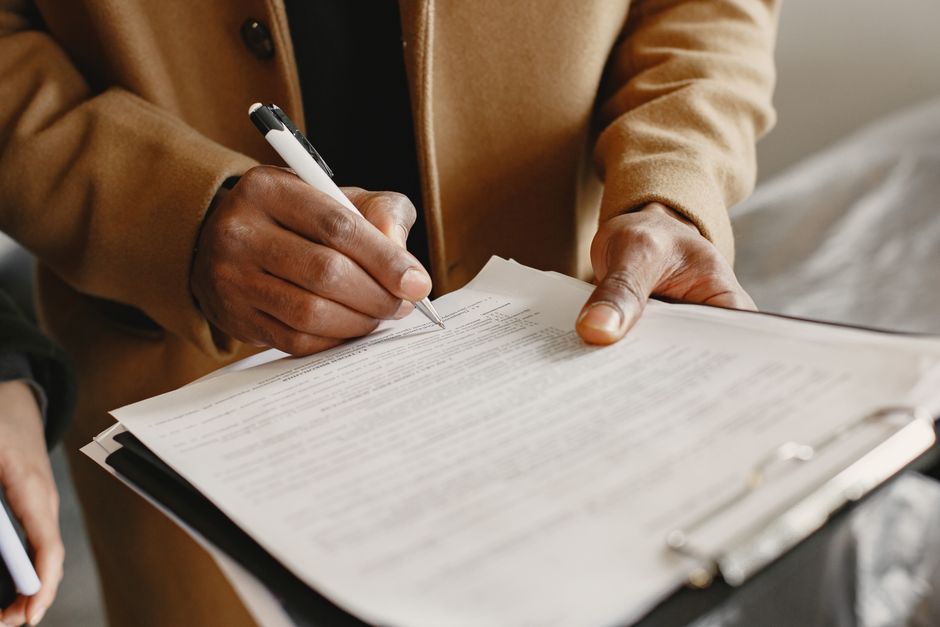
Before you commit to a mover, it's essential to ensure they’re properly licensed and insured. The Federal Motor Carrier Safety Administration (FMCSA) website offers a valuable tool to verify a mover’s credentials. This protects you from unregistered operators who might provide bait-and-switch pricing or lack proper insurance, two red flags that frequent moving industry veterans caution against.
Always request proof of insurance and licensing before signing contracts. Movers who are transparent about their credentials are typically more trustworthy and organized.
Creating a Detailed Inventory List: Your Antiques and Heirlooms Roadmap
A meticulous inventory list isn’t just a helpful checklist—it’s a vital document for safeguarding your possessions. Here’s how to create one:
- Document Every Item: Include descriptions, dimensions, estimated value, and photographs if possible.
- Note Condition Thoroughly: Highlight scratches, chips, or any wear and tear to differentiate pre-existing conditions from potential moving damage.
- Categorize by Fragility and Handling Needs: Mark items that require specialty packing or additional protection during transport.
- Share the Inventory with Your Mover in Advance: This lets the moving team plan their packing materials and manpower accordingly.
Protecting Your Belongings and Your Home
Handling antiques and heirlooms requires not just internal care but protection of your home’s environment during packing and move day.

- Floor and Wall Protection: Ask your movers to use protective coverings where necessary to avoid damage during item maneuvers.
- Climate Control Considerations: Some antiques, especially wood, paintings, or textiles, must be kept in controlled environments to prevent warping or fading.
- Securing Pathways: Ensure that stairs, elevators, and hallways are clear and safe for moving fragile items without rushing or risking damage.
Avoiding Last-Minute Schedule Changes
Nothing is more frustrating than a sudden change in timing or no-show from your movers. Communicate early about your timeframes and request regular check-ins on moving day. Choosing reputable companies like Southside Moving & Storage reduces this risk, as they emphasize professionalism and customer communication.
How Technology Helps Improve Your Moving Experience
When you manage your move online or via digital platforms, tools like Akismet spam filtering can help keep your communications secure and focused—especially on websites that allow you to exchange messages or add comments about move details.
Reliable digital communication channels also ensure your specific instructions about antiques handling and specialty packing are not lost in spam or clutter, keeping both you and your mover on the same page.
Final Thoughts: Be Proactive and Detailed With Your Mover
Moving antiques and heirlooms isn’t just about transportation—it’s about trust, care, and in home moving estimate detailed planning. Here is a quick checklist summary to remember when talking to your mover:
- Provide a detailed inventory list with photos and condition notes.
- Disclose any fragile or specialty packing needs upfront.
- Verify mover licensing and insurance via the FMCSA website.
- Prefer full-service moving options for delicate, valuable items.
- Discuss timelines, access, and all logistics clearly in your pre-move consultation.
- Confirm protection strategies for your home environment during the move.
- Keep communications clear and use trusted platforms with spam filtering like Akismet.
By investing time in preparation and working with a reputable company such as Southside Moving & Storage, you’ll greatly increase the chance your antiques and heirlooms arrive safely—preserving precious memories for future generations.
```