How to Choose Games for a Mixed Crowd of Family and Friends
A game night with family and friends can include people who know every rule in the box, people who would rather watch football, and people who are still figuring out where to put their drink. That mix is the fun—and the challenge. The goal isn’t to find one perfect game that everyone loves. It’s to make it easy for people to join in, step out, and come back without the evening grinding to a halt.
After years of hosting Thanksgiving-week gatherings, Super Bowl watch parties, and monthly board game nights, I’ve learned to plan around three things: time, group mix, and the room itself. Pick games that fit the natural rhythm of the evening, set up drinks so they stay away from cards and boards, and keep everyone in one room. A little structure makes the party feel more relaxed, not less.
Plan the Room Before You Pick the Games
When guests are spread across the house, hosting gets harder. Drinks travel, people disappear into rooms you meant to keep private, and explaining the rules means shouting over the sound of the game on TV. For a lively mixed crowd, I prefer one-room hosting: snacks, drinks, seating, football, and games all in the same shared space.
That doesn’t mean everyone has to play. It means everyone can see what’s happening and join when they’re ready. Keep the game area clear, put the television where spectators can follow along, and leave a walkway so nobody has to squeeze past a player holding a hand of cards.
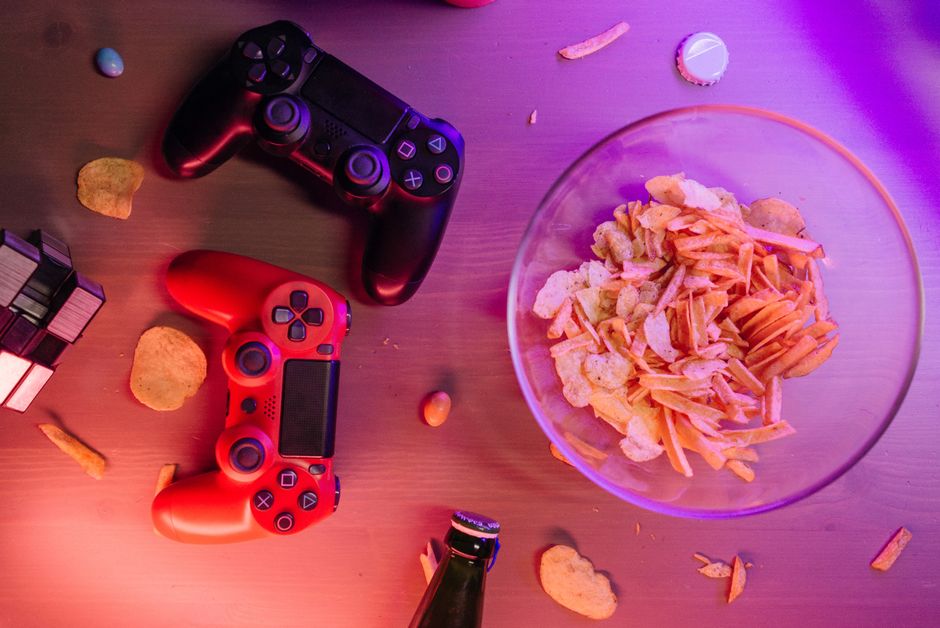
Before guests arrive, I use painter’s tape to label bins for game components, spare pencils, and napkins. The labels aren’t fancy, but they make cleanup and mid-game fixes much faster. I also set a hard stop time before the first beer is opened. It gives the evening a natural endpoint and helps me choose games we can actually finish.
Let Football Set the Schedule
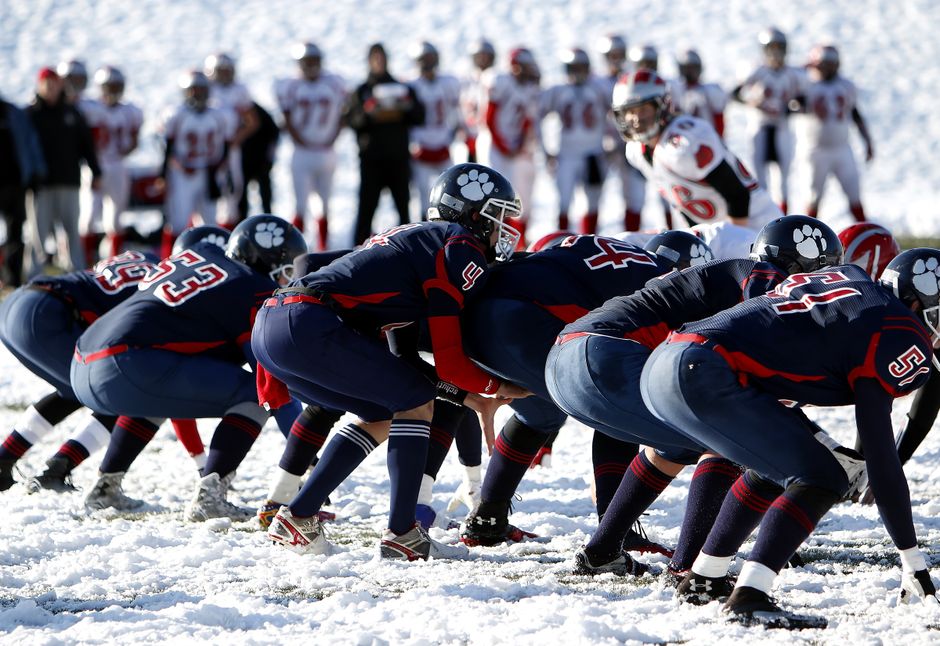
Football is a useful built-in clock, even when not everyone is watching closely. Kickoff, halftime, and the end of the game provide natural transitions. Instead of asking guests to commit to a three-hour game right away, plan a few shorter activities that can fit between plays and during breaks.
For example, start with a quick party game while guests arrive. Pause for kickoff or a big drive. Bring out another short option during halftime, when people are more likely to have time and attention for a full round. If there’s still energy later, introduce a deeper game to the guests who want to settle in.
This approach also makes it easy for people to drift in and out without feeling like they’ve ruined a game. A guest can watch a quarter, play one round, grab food, and return without needing a recap of half a campaign. If you’re hosting a Super Bowl party, keep the main game table away from the TV sightline; nobody wants to miss a touchdown because they’re reading a card.
Choose Games by Time and Group Mix
Start by thinking about the people who are coming, not the games you most want to play. A table of close friends who enjoy rules explanations can handle something more involved than a group with several first-time players, young relatives, or guests who would rather socialize than concentrate.
Then match the game to the time you have. A game that takes 20 minutes is a better arrival activity than one that needs a long rules teach and a full evening. Keep the box, pieces, and explanation ready before guests sit down. The faster the first round begins, the less likely someone is to wander off before they’ve tried it.
When to play What to look for Why it works for a mixed crowd As guests arrive Party games with simple turns Latecomers can watch a round and join the next one. Between football moments Short card games or quick team games Rounds can pause naturally, and nobody has to commit all night. After halftime or dinner A strategy game later, with a willing group Guests who want more depth can play while others watch or chat. Near the end of the evening A familiar favorite or a final quick round It provides a satisfying finish without running past the planned stop time.Start with Easy-to-Join Party Games
Party games are often the safest opening move for a mixed group because they reward conversation and quick decisions more than detailed rules knowledge. Look for games where players can understand the goal after a short explanation, where turns move quickly, and where a new person can join without needing to study the previous three rounds.
It helps if the game doesn’t punish people for being unfamiliar with it. A first-time player should be able to make a funny guess, choose a napkins for game night card, or contribute to a team without feeling like they’re holding everyone up. Keep the explanation brief: describe the goal, show one example turn, and start. You can clarify edge cases as they come up.
Keep Short Card Games Ready
Short card games are particularly handy around football because they can fill a small window without taking over the evening. They’re also easier to reset after a spill, interruption, or change in the number of players—provided you keep drinks off the playing surface.
Pick two or three options with different levels of energy. One might be silly and loud; another might be calmer and more tactical. Don’t put out a whole shelf of boxes. Too many choices can turn a simple invitation into a committee meeting. I usually leave the next game ready in a labeled bin and bring it out only when the current activity is wrapping up.
Save the Strategy Game for the Right Moment
A strategy game later in the evening can be a treat, but it should be an invitation, not an obligation. Wait until the group has settled and ask who wants to play. Keep a lighter option available for everyone else, and don’t assume the whole room wants to switch from socializing to a longer, quieter game.
Choose a strategy game whose length fits the hard stop time. If the game normally takes two hours and there’s only 90 minutes left, save it for another night. A satisfying finish matters more than squeezing in the game you were most excited to teach.
Make Drinks Easy to Reach—and Hard to Spill
Beer setup can make or break a game night. Open drinks wandering into other rooms are annoying; a drink tipping onto a board is worse. Put a cooler by the back door or another easy-to-reach spot in the main hosting area, so guests can grab a refill without crossing the game table or touring the house.
Set coasters at every seat, not in a stack across the room. I keep a stack of coasters like it’s part of the place settings because people are far more likely to use one when it’s already within reach. Add a small side table or sturdy drink station near the seating, and make it clear that drinks belong there—not on cards, boards, or the edge of a crowded table.
- Put the cooler where guests can reach it without walking through the play area.
- Keep water and napkins visible alongside the beer.
- Use coasters at every seat, including seats for spectators.
- Make a clear “no drinks over the board” rule before play begins.
- Keep a towel nearby so a small spill gets handled immediately.
For card games, greasy fingers are another hazard. Put snacks on a separate table or use serving bowls that don’t require everyone to reach across the cards. Encourage guests to pause and grab food between rounds. It’s a small habit that protects the game and keeps the cards from becoming a record of every chip and wing in the room.
Choose a Table and Setup That Support the Night
The table should fit the way your group plays. You need enough space for the game, player areas, and a comfortable reach to the pieces—but drinks should still have a separate home. If you’re considering furniture made for game nights, The Dresden (board game dining table) is one example to look at when researching a dedicated table setup. Compare any table with your room dimensions, the number of guests you host, and how easily it can do double duty for meals.
For a DIY setup, a regular dining table works well if you clear it before play and provide nearby drink surfaces. Keep the active game box beside the table rather than on the floor, where it becomes a tripping hazard. When the game ends, return pieces to their labeled bin before opening the next box. That one routine prevents a pile of game boxes dumped on the floor and makes the room feel ready for whatever comes next.
Make Joining—and Leaving—Feel Natural
A mixed crowd has mixed attention spans. Some people will want to play every round; others will dip in and out. Build that flexibility into the plan. Put a spare chair nearby, announce when a new round starts, and let people know they can watch before joining. Avoid games that make a late arrival feel like they’ve missed the whole point.
If you’re organizing RSVPs online, use a simple form and ask guests whether they’re likely to play, watch, or both. Cloudflare Turnstile can be used to help protect online forms from automated submissions; it’s a practical consideration if you’re building a public RSVP page, not a requirement for a casual gathering. The important part is knowing roughly how many chairs and snacks to prepare.
A Simple Hosting Plan You Can Reuse
- Before guests arrive: Set a hard stop time, clear one shared room, label your game bins, and place coasters at every seat.
- At arrival: Offer a quick, easy-to-join game while people settle in and grab food.
- During football: Let the game provide natural breaks. Bring out short card games when attention is available, and pause when the action picks up.
- After the main meal or halftime: Invite interested guests to try a strategy game later, while keeping a casual option open.
- At the end: Finish a round, pack pieces into their labeled bins, and wrap up at the time you set.
The best game lineup isn’t the one with the most impressive boxes. It’s the one that suits the people in the room and the time you have together. Start with welcoming party games, keep short card games ready for the gaps, and save a strategy game for the guests who want one. Add a cooler by the back door, coasters at every seat, and a clear rule about drinks staying off the board. Then let football, conversation, and the group’s energy guide the rest of the night.