How Do I Verify a GIA Report Number Before I Buy?
Buying a diamond is a significant investment, whether it's for an engagement ring, a special anniversary gift, or adding a new piece to your jewellery collection. Among the many layers of due diligence, verifying a GIA grading report plays a crucial role in ensuring you’re getting exactly what you pay for. In this detailed guide, we'll walk you through how to verify a GIA report number, why the Gemological Institute of America (GIA) is the gold standard in diamond certification, and what trade-offs you should consider among the Four Cs when selecting your ideal stone.
Bonus tip: If you’re browsing online or exploring options through apps (sometimes even odd ones like MRQ, a mobile casino app that now integrates shopping features!), knowing how to confidently perform a diamond report lookup is invaluable. Let’s dive in.
Why the GIA Grading Report Matters
The GIA is the most widely trusted gemological lab in the world. Their reports come with laboratory-verified details, and each diamond receives a unique GIA report number that you can use to confirm authenticity. Unlike vague guarantees or generic “certified” stamps often seen from less reputable sellers, GIA reports provide a full suite of information:
- Detailed measurements of the diamond’s diameter, depth, and proportions
- Grading of the Four Cs: Carat weight, Cut, Color, and Clarity
- Comments on any treatments or enhancements
- A plotted diagram of inclusions and blemishes
This information helps you know exactly what you’re buying beyond just the “carat” size on paper (more on this later).
Common Frustrations When Buying Diamonds
Having sat in on consultations with Hatton Garden jewellers and written numerous checklists on engagement rings and lab-grown diamonds, I can’t stress enough how often potential buyers are misled:
- Vague claims like “certified” without specifying the lab (is it GIA, IGI, EGL?)
- Confusing carat weight with visible size — a heavier diamond isn’t always bigger in appearance
- Trade-off misunderstanding, especially around cut quality versus price
- Hidden return or resizing policies buried in tiny footer links
My tip? Always ask for the GIA report number first, then perform a verification check before discussing price or making any commitments.
How to Verify Your GIA Report Number
Verifying that your diamond’s GIA report number is legitimate is easier than you might think. Here’s a simple step-by-step:
- Ask the seller: Obtain the GIA report number associated with the diamond you’re interested in.
- Visit the official GIA website: GIA Report Check tool
- Enter the report number: Input the number exactly as given. Some reports include prefix letters and suffix digits.
- Review the details: Compare the report’s description with the diamond being sold. Pay special attention to cut, carat, color, clarity, and measurements.
- Also check the GIA diamond quality factor pages: These pages explain grading standards and can help you interpret the report more clearly.
By using the GIA's official laboratory report number database, you’ll confirm authenticity and prevent falling victim to counterfeit certificates—a sadly common issue when shopping diamonds online or from unverified sellers.
Remember:
- A missing or unverifiable report number is a red flag.
- Some sellers provide PDFs or images of reports; always cross-check these against the GIA database.
- Physical report cards are tamper-resistant, but digital verification remains essential.
Understanding the Four Cs Trade-Offs: Why Cut Drives Sparkle
When it comes to diamonds, the Four Cs—Carat, Cut, Color, and Clarity—define value and appearance. However, these characteristics are not equal in importance. For example, the Cut quality often has the greatest effect on a diamond’s brilliance and sparkle.
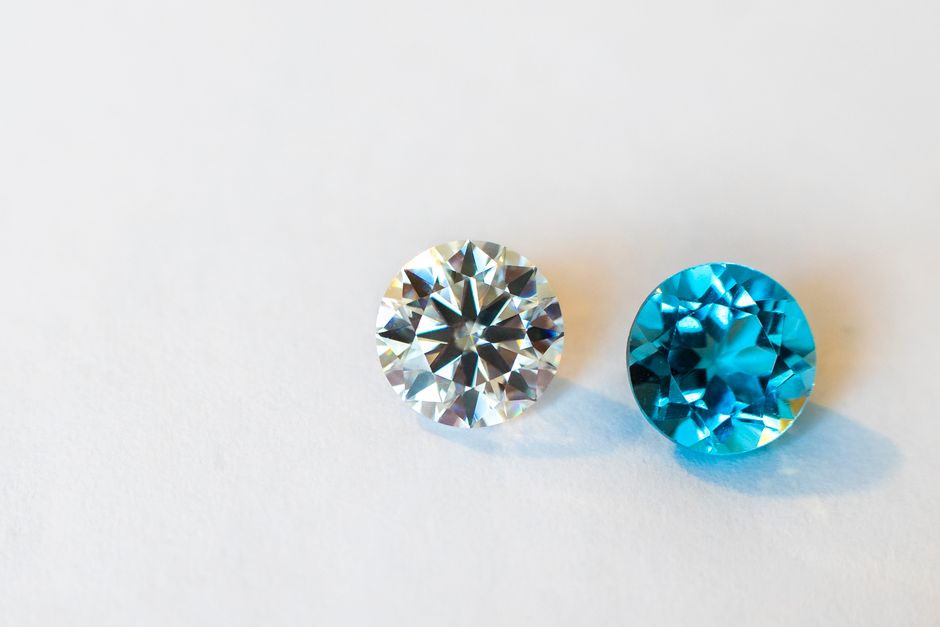
Cut vs. Carat Weight
Two diamonds may both weigh 1 carat but can look very different due to their cut quality and proportions. A well-cut diamond will reflect light beautifully, creating the signature sparkle, while a poorly hatton-garden-jewellers.co cut diamond might appear dull or dark despite matching carat weight.
Of course, carat weight does influence price, but don’t get fixated on it alone without checking cut grades and measurements listed in the GIA grading report.
Color and Clarity
- Color: Near-colorless diamonds (G, H on the GIA scale) often represent great value unless you specifically want a completely colorless or fancy hue.
- Clarity: Most inclusions are invisible to the naked eye under 10x magnification. Reliable reports like GIA’s show where inclusions lie, helping you balance price and appearance.
Carat vs Visible Size: The Importance of Measurements and Proportions
Attribute Carat Weight Visible Size (Diameter/Length) Definition The weight of the diamond in metric carats (1 carat = 200 mg) Actual measurements such as diameter (for round diamonds) or length and width (for fancy shapes) Impact on Appearance Heavier diamonds tend to be pricier but not always bigger looking Shallow or deep cuts dramatically affect how large a diamond appears Typical Measurement Ranges Example: 1.0 carat Diameter approx. 6.4–6.5 mm for a well-cut round diamond of 1 caratMeasurements and proportions in the GIA report are the real keys to understanding the diamond's presence on your finger! A deep-cut 1.0 carat diamond could have a smaller table diameter than a well-cut 0.9 carat stone.
Pro Tip:
Always cross-reference the carat weight with the exact measurements and ask for plotting diagrams in the GIA grading report to get a full picture of size and light performance.
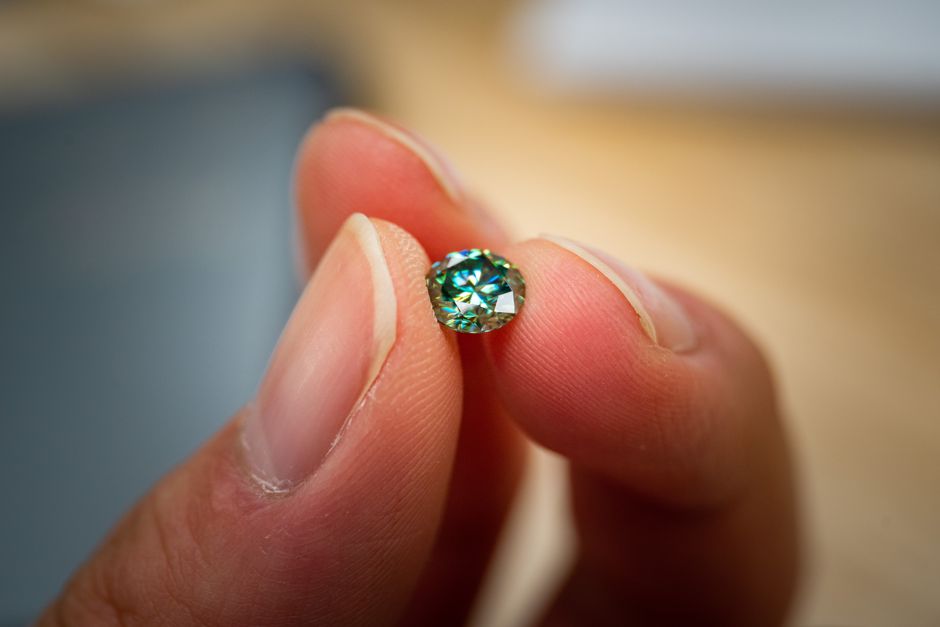
Shape and Perceived Size: Oval, Pear, Marquise vs Round
The shape of your diamond can make a substantial difference to how large it appears in comparison to its carat weight.
- Oval, Pear, and Marquise Shapes: These elongated cuts often look bigger than round diamonds of the same carat because their length draws the eye and covers more finger surface area.
- Round Brilliant: The traditional and most popular shape, prized for ideal light performance and sparkle. However, round diamonds sometimes look smaller for the same carat compared to fancy shapes.
Hatton Garden jewellers
Additional Resources for Diamond Report Lookup
- GIA Diamond Quality Factor Pages — go here to learn about the nuances of each grade and factor.
- Official GIA Report Check — enter your report number for instant verification.
- Hatton Garden Jewellers Insights — expert advice on purchasing and diamond quality inside London’s famous jewellery district.
Final Checklist Before You Buy
- Request the GIA report number upfront before discussing prices.
- Verify the report number on the official GIA website.
- Use GIA quality factor pages to understand grading nuances.
- Compare the carat weight with actual measurements on the report.
- Consider the diamond’s cut grade — prioritize sparkle!
- Take shape into account for perceived size (oval, pear, marquise vs. round).
- Read and confirm return and resizing policies clearly (avoid hidden small print).
Following these steps will help you avoid costly mistakes and buy with confidence — no matter if you’re browsing Hatton Garden jewellers in person or shopping through an online portal or even an unconventional app like MRQ.
Questions? Need More Help?
If you want me to review a GIA report number or explain a grading report before you buy, just drop me the number and I’ll give you my expert opinion — no sales talk, just facts.
Remember: knowledge and transparency are your best friends when investing in diamonds. Happy hunting!