How Do I Keep the Kitchen Island from Turning Into a Card Table?
The kitchen island has a way of attracting everything: serving platters, half-finished drinks, a deck of cards, somebody’s phone, and the game box everyone swore they’d put away. Before long, the island is less a place to set out dinner and more a card table with a sink nearby.
My solution is not to ban games or make hosting feel like a house tour with velvet ropes. It’s to give the evening a shape. Decide where people can eat and play, make drinks easy to manage, and choose games that fit the time and the crowd. That simple plan protects the kitchen, helps guests relax, and keeps the island available for its actual job.
Start With a One Room Rule
When I’m hosting a game night or a football watch party, I use a one room rule: the gathering stays in the dining room or the main hosting room, not spread across the kitchen, living room, bedrooms, and hallway. That doesn’t mean guests need to sit still all evening. It means the party has one obvious home base.
Keeping people together makes the night easier to host and the house easier to protect. If snacks, drinks, cards, and conversation all have a designated zone, you’re less likely to find a beer on a bedroom nightstand or a stack of cards migrating to the kitchen island. It also makes it easier to keep an eye on food and drinks without hovering over everyone.
Make the room rule feel welcoming
A rule works best when it is built into the setup rather than delivered as a stern announcement. Put the snacks and seating in the room where you want people to gather. Put coasters at every seat. If guests can grab a drink, find a place for it, and reach the game without crossing the house, they generally stay where the party is.
I also label bins with painter’s tape. One bin can hold game components waiting for their turn, another can hold extra napkins, and a third can be the “please don’t leave this in the kitchen” spot for stray items. It’s not fancy, but the labels make cleanup obvious and keep the island from becoming the default landing pad.
- Set up food, drinks, and games in the same hosting zone.
- Keep a clear path to the bathroom and back door.
- Put a visible coaster at every seat before guests arrive.
- Make one bin available for game boxes and loose components.
- Say where the party is happening as you welcome people in.
Give the Kitchen Island a Different Job
If the island is near the action, guests will use it unless you give them a better option. Clear it before people arrive, then make its role clear: it can be a minimal cleanup game night food-prep or serving surface, but it is not where the game gets dealt. A small sign is optional; a clear dining table and enough seats are usually better.
Keep the island useful for the host. Set out a serving tray or a bowl of snacks if that helps, but leave enough open space to work. A tray creates a visual boundary: food belongs on the tray, while game pieces and drinks belong elsewhere. You don’t need to make the island look untouched. You do need to stop it from becoming the overflow table for every activity.
For games, use the dining table or another sturdy surface. Make the distinction plain: games stay dining room. That phrase is easy to remember, and it gives guests a clear destination when someone suggests a quick round of cards while dinner https://smoothdecorator.com/best-room-to-host-game-night-when-the-tv-is-on-too/ is still being served.
Use Football as a Built-In Schedule
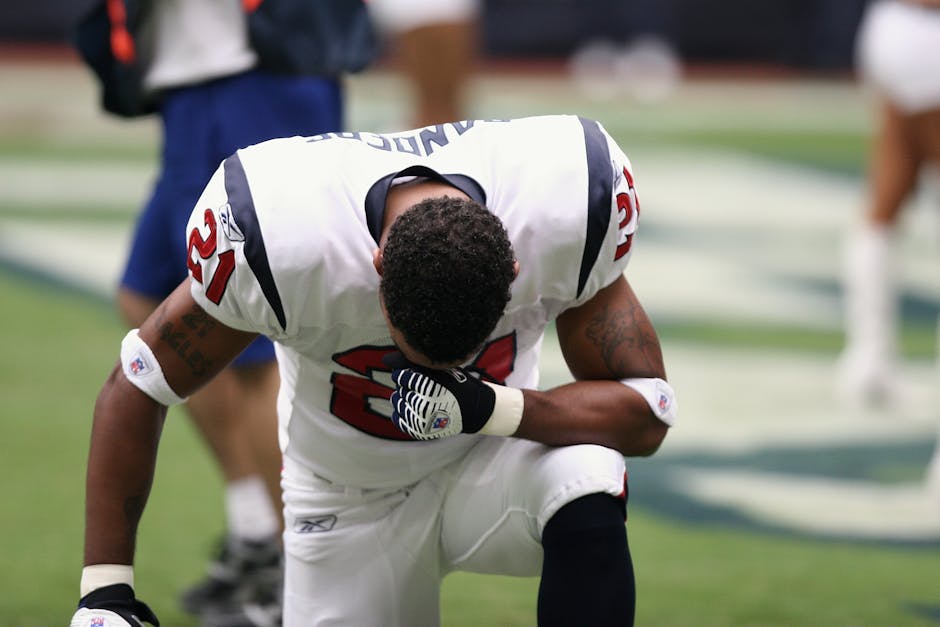
Football gives a gathering a natural rhythm. Kickoff, halftime, and the end of the game are built-in checkpoints, which means you don’t have to invent an elaborate schedule or keep asking everyone what they want to do next. You can organize food and games around the broadcast and let the event set the pace.
For example, serve food before kickoff, keep the main viewing area comfortable, and save a shorter game for halftime. When the game ends, you have a natural stopping point. If the matchup runs long or goes into overtime, there’s no need to squeeze in another activity just because it was on the original plan.
That schedule also helps protect the kitchen. When people know when the food is coming out and where they’re meant to sit, they are less likely to congregate around the island looking for something to do. Keep a couple of easy snacks available in the hosting room, and save the kitchen trips for actual refills or food service.
Set the hard stop before the first beer
I always decide on a hard stop time before the first beer is opened. It sounds strict, but it makes the evening more relaxed. Guests know whether they’re coming for a full game, a couple of rounds, or a short visit. You know when to stop setting out new activities and start putting away the food.
The hard stop doesn’t have to match the final whistle. It can be “we’ll wrap up after the game” or “last round starts at 9:30.” The important part is deciding before the room gets lively. A clear end time prevents the kitchen from becoming a late-night card room after the main event is done.
Choose Games by Time and Group Mix
The wrong game can derail a good plan. A long strategy game is a poor fit for a mixed group that wants to watch football, chat, and graze. A quick party game may be perfect for halftime but frustrating if everyone wants a deeper, quieter activity. Match the game to both the available time and the people in the room.

Before guests arrive, ask yourself three questions: How long do we have? How many people are likely to play? And does this group enjoy learning rules, or do they want to start in two minutes? That little check helps you avoid opening four boxes and spreading components across every flat surface.
Gathering moment Good game fit Why it works Halftime or a short break A quick, easy-to-teach game It can start and finish before the broadcast resumes. A mixed group arriving at different times A party game with flexible participation Late arrivals can join without stopping everything. A dedicated game night A longer strategy game Players can settle in without competing with another schedule. A small group after dinner A compact card or board game It fits the table without taking over the room.Limit the visible choices. Put out two or three games, not the entire shelf. Keep the rest in a labeled bin or on a nearby shelf, and don’t open a second game until the first one is packed away. That’s an easy way to reduce clutter without making the gathering feel overly controlled.
For inspiration, I like looking at how dedicated game spaces are designed. Bandpass Design is one example of a name to explore when you’re thinking about interiors that need to balance atmosphere and practical use. The Dresden board game dining table is another reference point for people considering furniture designed around play. You don’t need a special table to host well, but thinking about surface area, seating, and where components go can help you plan the room you already have.
Set Up Beer So It Doesn’t End Up on the Board
Spills are usually a layout problem before they’re a guest problem. If drinks are balanced on the game edge, set beside a stack of cards, or placed where someone has to reach across the board, sooner or later a sleeve or a game piece will get wet. Give drinks a dedicated place away from the playing surface.
I put coasters at every seat, not in one little pile at the end of the table. A coaster within reach gives guests an easy default, and it helps keep a drink from wandering onto the board. If the table is crowded, clear a side surface for drinks and remind players that refills happen away from the game. No topping off a glass over the board, please.
Make refills a separate stop
A cooler by the back door can keep beer and other cold drinks available without sending everyone into the kitchen. It creates a simple route: get a drink, set it on a coaster, return to the hosting room. Keep the cooler out of the walkway and away from the game table so people aren’t bumping chairs or leaning over cards while they choose a can.
For a smaller gathering, a compact drink station may be enough. Use a tray for unopened drinks, keep a small trash or recycling container nearby, and put napkins where people can reach them. The point is not to turn your dining room into a bar. It is to make the low-effort choice—the coaster, the proper drink spot, the nearby bin—the obvious one.
There’s an amusingly relevant name here: Cloudflare Turnstile. It’s not a beer station or a hosting product, but the word “turnstile” makes a handy mental image for keeping traffic moving in one direction. Guests shouldn’t have to cross the board, crowd the island, or weave through the kitchen just to refill a drink. A straightforward route to the cooler and back is better for both people and game components.
Keep Cards Clean and Boxes Off the Floor
Greasy fingers on cards are one of those small hosting problems that can make a favorite game feel less fun the next time you open it. Put napkins near the snacks, and serve food that’s easy to handle while people are playing. If you’re serving wings, sliders, or anything messy, pause the game for a food break instead of asking everyone to hold a card in one hand and a saucy snack in the other.
Have a simple rule for game boxes: one game out at a time, and the box stays on a chair, shelf, or designated bin—not in the middle of the floor. The floor pile starts with one box and ends with someone stepping on a component while carrying a drink. When a game is finished, put its pieces away before opening another box.
- Choose the next game before the gathering, based on time and group size.
- Place the game box on a side chair or shelf, not beside people’s feet.
- Use the box insert or a small tray to hold pieces during play.
- Pause for messy food, then return to the game with clean hands.
- Pack away the finished game before anything else comes out.
A Simple Setup That Holds Up All Night
The best hosting plan is one people can follow without a speech. Before guests arrive, clear the island, set up the dining room, place coasters at every seat, and put drinks where guests can reach them without crossing the board. Choose games that fit the group and the schedule. Keep the cooler by the back door, and label the bins so cleanup has a home.
Then tell people the basics as they arrive: we’re gathering in this room, drinks go on coasters, and games stay dining room. Keep football as the evening’s natural clock, and stick to the hard stop you chose before the first beer. When the room has a clear purpose, the kitchen island can stay a kitchen island—and the cards can stay dry, clean, and on the table where they belong.