Emerald Engagement Ring: Is Emerald Too Soft for Everyday Wear?
An emerald engagement ring can feel wonderfully personal: vivid green, a little unexpected, and full of room for meaning. But before you fall for that color, it’s fair to ask how the stone will hold up to daily life. Will it scratch? Could it chip? Can you wear it while hauling groceries, gardening, or tugging a sweater over your hand?
The short answer: emerald isn’t automatically too delicate for an engagement ring, but it does need more thoughtful care than a diamond or sapphire. Its gemstone hardness is reasonably good, while its resistance to chips and knocks is more complicated. The right stone, setting, and wearing habits make a real difference.
And if tradition says an engagement ring must be a clear diamond in a classic solitaire, you’re allowed to disagree. A green gemstone can tell your story better than a rulebook can. Here’s how to choose one with both romance and real-life wear in mind.
What emerald durability really means
When people ask whether emeralds are “soft,” they’re usually asking whether a ring will survive everyday wear. Jewelers look at a few different qualities to answer that question. Hardness describes how easily a material can be scratched. Toughness describes how well it resists breaking or chipping. A stone can be fairly hard but still vulnerable to a hard impact.
On the Mohs scale, emeralds typically fall around 7.5 to 8. That’s harder than many common materials and means an emerald is not a fragile, easily scratched stone in the way the word “soft” might suggest. Diamonds score 10, while sapphires and rubies score 9, so those gems generally offer more scratch resistance. Emerald’s bigger concern is toughness: it can be more vulnerable to chips, especially around corners, edges, or existing fractures.
Most natural emeralds have internal features called inclusions. In the trade, these are often referred to as the stone’s “jardin,” or garden. They’re part of why emeralds look distinctive, but fractures and inclusions can also make a stone more sensitive to a knock. Many emeralds are treated with oil or resin to improve clarity. That’s common, but it’s useful to know what treatment a stone has received and what care the treatment calls for.
Quality What it tells you Why it matters for emeralds Hardness Resistance to scratching Emeralds are reasonably hard, but less scratch-resistant than diamonds or sapphires. Toughness Resistance to chipping or breaking Inclusions and fractures can make some emeralds more vulnerable to impact. Treatment How the stone may have been enhanced Ask whether oil or resin was used and what cleaning or care is recommended.So, “emerald durability” isn’t a single yes-or-no rating. It depends on the individual stone, its cut and treatment, the design around it, and what you do with your hands all day.
Can you wear an emerald ring every day?
Many people do wear emerald rings regularly. The more practical question is whether your habits and expectations match the stone. If you work with your hands, lift weights, garden, cook frequently, or have a job where your ring could hit hard surfaces, you’ll want to take it off for those activities. That advice is sensible for most fine jewelry, but especially worth following with an emerald.
Think of your ring as something you wear for everyday life—not as protective equipment. Remove it for cleaning, sports, heavy lifting, gardening, and work involving tools or machinery. Avoid wearing it in a pool or hot tub, too: chemicals and sudden changes in temperature can be hard on jewelry. When you take it off, put it in a small, secure dish rather than leaving it loose on a bathroom counter or beside a sink.
There’s no prize for wearing a ring through every task. A short pause is better than a repair you could have avoided. If you want a gemstone you can mostly forget about, sapphire or diamond may fit better. If emerald is the one that feels like you, a little extra care can be a reasonable trade.
Protective settings matter—and so does comfort
The setting can help shield an emerald, but no setting makes a gemstone indestructible. Protective settings are especially useful for stones with exposed corners or edges. A bezel setting, which wraps a rim of metal around the stone, offers substantial coverage. A halo can give the center stone some added protection, though its small accent stones and fine details still need care. Prongs can work well, too, when they’re designed to cover vulnerable corners and checked regularly for looseness.
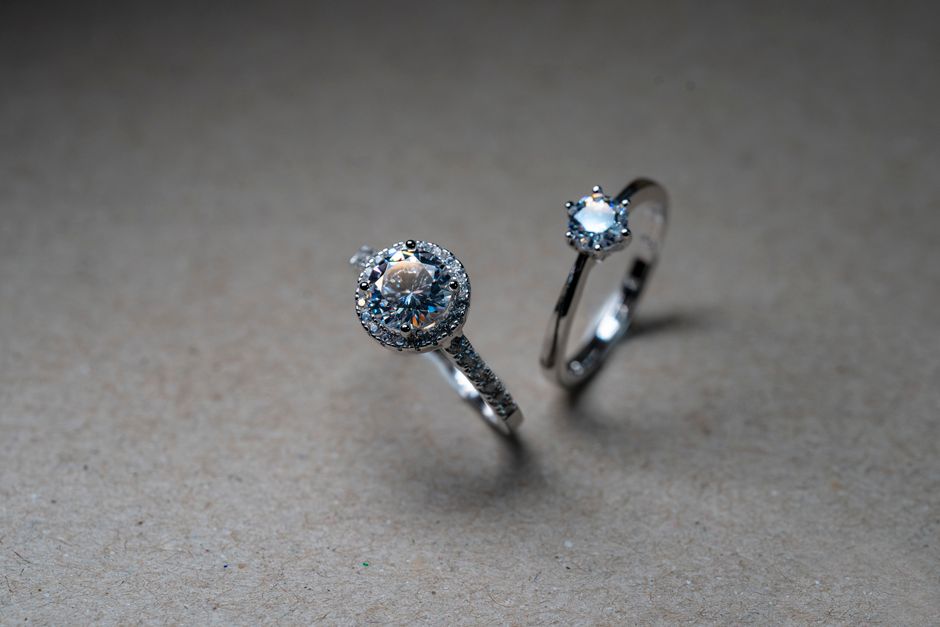
Shape matters. Emerald-cut stones have clipped corners, but their broad, flat surfaces and step-cut facets can draw attention to inclusions. An oval or round cut has no sharp corners, although the stone still needs a well-designed setting. Ask the jeweler how the cut, visible inclusions, and setting work together for the specific emerald you’re considering.
And don’t judge a ring only from the top. I always want to know how a band feels between the fingers. A wide band, low gallery, or neighboring ring can change how comfortable a setting feels when your hand closes. If you’re stacking bands, try them together. A beautiful ring that constantly rubs, pinches, or catches on clothes may spend more time in a jewelry box than on your hand.
Speaking of catches: some high settings and delicate prongs are determined to snag on knits. Run a finger lightly over the setting and try it against a piece of fabric before you commit. This isn’t about choosing the plainest design. It’s about noticing whether the details suit your actual wardrobe and routines.
Breaking engagement ring traditions with color
A colored gemstone isn’t a compromise or a trend you need to defend. It can be a deliberate way to make an engagement ring feel like a piece of your relationship rather than a copy of someone else’s. Emerald green might evoke a favorite landscape, a family heirloom, a shared trip, or simply the color you’ve always reached for.
Colored gemstones also invite more choices. You can pair an emerald with yellow gold for warmth, white gold or platinum for a cooler contrast, or rose gold for a softer look. You might choose a vivid, high-contrast stone or a quieter green with visible character. There’s no need to treat every inclusion as a defect; ask what you’re seeing and whether it affects durability, then decide whether that natural texture is part of the appeal.
For inspiration, make a few Pinterest boards for ring silhouettes, settings, metal colors, and details you love. Separate “beautiful in a photo” from “I’d enjoy wearing this.” Save practical examples too: low-profile rings, smooth band edges, and settings that cover the stone’s corners. A clear board can help a jeweler understand your taste without making you learn a vocabulary of technical terms first.
Modern settings and silhouettes to consider
An emerald doesn’t have to sit in a traditional solitaire. Modern design can make the stone feel fresh while also addressing how you plan to wear it. Some options to discuss with a jeweler include:
- Bezel-set emerald: A metal rim frames the stone and helps protect its edges. It often has a clean, contemporary profile.
- Low-set design: A lower center stone may be less likely to catch on clothing, though the setting still needs enough clearance for cleaning and a wedding band.
- East-west orientation: Turning an elongated stone sideways creates a different silhouette without changing its character.
- Three-stone ring: Side stones can add meaning—perhaps representing a shared past, present, and future—while giving you more room to personalize the design.
- East-west bezel or signet-inspired setting: A sculptural, less traditional look can feel especially at home with an emerald’s strong color.
Be sure to try the ring on, not just study a rendering. Ask whether the setting sits comfortably next to a wedding band, whether the band will spin, and whether the ring feels balanced on your hand. A thoughtful design works from the side and underneath, too—not just in a straight-on photograph.
Custom design: questions worth asking
Bespoke design can be a good route if you love emerald but haven’t found a ready-made ring that feels right. A jeweler can help you choose a stone and build a setting around its shape and features. Bring your Pinterest boards, but also share your daily habits and what you want to avoid. “I want a low profile and no sharp edges” is useful design information.
Ask direct questions about sourcing and care. A brand that gives clear answers is easier to trust than one that sidesteps them. You can ask:
- Is the emerald natural or lab-grown, and where was it sourced?
- Has it been treated with oil, resin, or another material?
- Are there visible fractures or areas that need extra protection?
- What cleaning methods are safe for this particular stone and treatment?
- How will the setting protect the corners and edges?
- What maintenance, inspection, or repair services are available?
Companies such as Lily Arkwright and Modern Gents can be part of your research when comparing different approaches to engagement jewelry, price points, and styles. Check the details of the specific ring you’re considering rather than assuming every brand or collection offers the same materials, customization, or stone options. If you’re commissioning a one-off design, confirm what is included in the quote, what happens if the finished ring needs adjustment, and whether the stone’s treatment is documented.

Care that helps your ring last
Emerald care is less about elaborate rituals and more about avoiding unnecessary stress. Unless the jeweler confirms a particular method is safe for your stone, skip ultrasonic and steam cleaners. These can be risky for stones with fractures or certain treatments. For routine cleaning, ask your jeweler what they recommend; a soft cloth and gentle cleaning method are often a better place to start than strong chemicals.
- Take the ring off before strenuous activity, cleaning, or hands-on work.
- Store it separately so it doesn’t rub against harder gemstones or other jewelry.
- Have the setting checked periodically, especially if a prong catches or the stone feels loose.
- Keep the jeweler’s treatment and care information with your purchase records.
- Ask a professional to clean or inspect the ring if you’re unsure what’s safe.
Insurance is worth discussing, too. An appraisal and coverage may help protect you financially if the ring is lost, stolen, or damaged. Read the policy carefully so you understand what it covers and whether you need updated documentation.
So, is emerald too soft for everyday wear?
Not necessarily. Emerald has respectable hardness, but its toughness can be less forgiving than a diamond’s or sapphire’s—particularly when the stone has fractures or exposed edges. An emerald ring can suit everyday wear if you choose an appropriate stone, use a considered setting, remove it for risky tasks, and accept that it may need more attention than a hard-wearing diamond.
If you want a ring you never need to think about, emerald may frustrate you. If you’re happy to take it off for gym sessions and gardening, ask careful questions, and choose protective details that feel good on your hand, its color and character may be worth that extra care. The right engagement ring isn’t the one that follows tradition perfectly. It’s the funny ring engraving ideas one you’re glad to wear—and understand how to look after.
https://highstylife.com/i-hate-solitaires-what-engagement-ring-styles-feel-more-personal/One last practical note for anyone planning a celebration around the proposal: an invitations promo can include a simple Google Sheet for RSVPs, so guest replies stay organized while you’re making all the other decisions. Bespoke Bride readers know the little planning tools can be just as satisfying as the big design choices.