Do I Need an Appraisal If I Already Have a Grading Report?
If you've recently purchased a diamond or already own one accompanied by a grading report, you might be wondering whether you still need a formal appraisal. Especially when shopping at respected establishments such as Hatton Garden Jewellers, it’s common to receive a grading report issued by a top laboratory like the Gemological Institute of America (GIA). But is that enough for insurance or resale purposes? In this detailed guide, we’ll explore the differences between grading report vs appraisal, why you might want both, and what you need to know about diamond quality factors including cut, carat, and shape.
Understanding Grading Reports and What They Cover
A grading report (sometimes incorrectly called a certificate) is a https://smoothdecorator.com/rose-gold-engagement-ring-will-it-scratch-easily/ document prepared by a gemological laboratory which summarizes the quality characteristics of a diamond or gemstone. Prominent labs like the GIA provide detailed breakdowns of the Four Cs — Cut, Carat, Colour, and Clarity — along with measurements and proportions.
For example, the GIA’s diamond quality factor pages explain precisely how cut grades influence a diamond’s sparkle and brilliance. They also record the diamond’s shape, fluorescence, and sometimes even a plot of inclusions. The report references a unique laboratory report number, which can be verified through GIA’s own verification databases online. This is crucial because it GUARANTEES the report corresponds exactly to the diamond you own — a safeguard against fraud or mix-ups.
Why Verification of Laboratory Report Number Matters
Whether you received your report from GIA or another reputable lab, always verify the laboratory report number online before considering your diamond’s qualities at face value. Some jewelers may use vague wording like "certified," but do not name the lab or provide a verifiable report number — a major red flag. Verified grading reports provide transparency and confidence in the diamond’s described properties.
What is a Diamond Appraisal and How is it Different?
An appraisal is a formal written valuation of your diamond or jewelry piece’s monetary diamond inclusions explained worth, usually prepared by a qualified appraiser. While grading reports describe characteristics, appraisals are primarily for insurance or resale purposes, often assigning a market value based on recent sales data and local conditions. Here’s why both documents serve different roles:
- Grading report: Objective scientific document describing gemstone quality traits, with minimal valuation.
- Appraisal: Subjective monetary valuation estimating current replacement or resale value, factoring in market trends and jewellery setting.
A diamond appraisal for insurance is almost always necessary because insurance companies require proof of the item's value in the event of loss, theft, or damage. Relying solely on a grading report often won’t satisfy their requirements, as it does not address retail replacement prices.
Common insurance requirements for diamond appraisals include:
- An up-to-date written appraisal prepared by a certified appraiser, usually valid for 12 months.
- Inclusion of the jewellery’s description, diamond specifications matching the grading report, and estimated replacement cost.
- Detailed photos and appraisal certificate numbers for clarity.
Several clients visiting Hatton Garden Jewellers have reported that insurers explicitly asked for a formal appraisal despite holding a GIA grading report, underlining how crucial appraisals can be.
The Four Cs Trade-Offs That Affect Value and Appearance
Understanding the Four Cs trade-offs is key to appreciating why grading reports matter scientifically, while appraisals factor in market desirability:
Four Cs Factor Impact on Grading Report Impact on Value and Appearance Cut Graded from Poor to Excellent (GIA scale). Emphasizes precise proportions, polish, and symmetry. Cut drives sparkle and light performance, thus heavily impacting perceived beauty and price. Carat Exact weight in metric carats. Does NOT always equal visible size; measurements and proportions matter more for perceived size. Colour Scale from D (colorless) to Z (yellow/brown tint). Affects the diamond’s brightness and desirability. Clarity Grades imperfections from Flawless to Included. Directly influences value but minor inclusions often invisible to the naked eye.For instance, when browsing a mobile casino game like MRQ (Mobile Roulette QuickPlay) during downtime, some jewel lovers might draw odd parallels between odds and cut quality — both requiring precision and optimised “performance” to win. In diamonds, cut is your best bet for maximizing sparkle even if carat takes a back seat.
Carat Weight vs Visible Size: Why Measurements and Proportions Matter
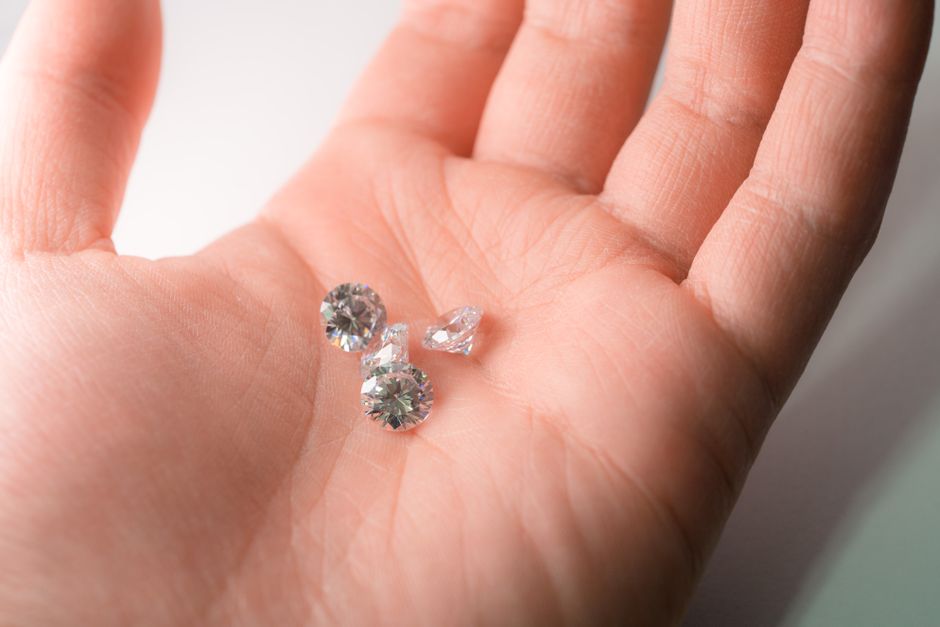
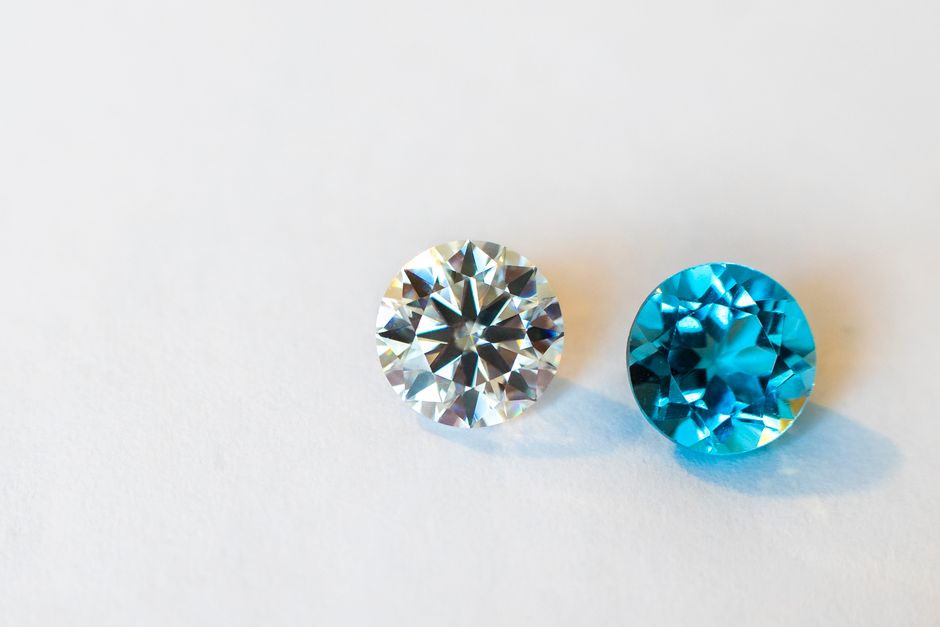
Many buyers mistakenly equate carat weight with how large a diamond looks. While carat is a measure of weight (1 carat = 0.2 grams), the actual visible size on your finger depends heavily on how that carat weight is distributed.
For example, a well-cut 1.0-carat round diamond might appear larger or smaller than another 1.0-carat stone with poor proportions. The GIA diamond quality factor pages explain in depth how length, width, table size, and depth percentages influence perceived diameter.
Diamond Shapes and Perceived Size Differences
The shape you select also greatly influences perceived size:
- Oval, pear, and marquise shapes tend to look larger than rounds of the same carat weight because their elongated profiles cover more surface area.
- Round brilliant cuts maximize sparkle and fire but might appear smaller face-up than fancy shapes.
- Other shapes like cushion, emerald, and princess vary in how size is perceived relative to carat.
Therefore, a grading report that lists precise measurements (length x width x depth) alongside the laboratory report number lets you verify and compare stones more reliably than just going by carat. If you’re shopping for diamonds at places like Hatton Garden, don’t hesitate to ask for exact measurements and confirm them using laboratory report number databases online.
When Should You Get Both a Grading Report and an Appraisal?
Given the distinctions above, here are typical scenarios when having both is beneficial or required:
- Buying a diamond: Always get a grading report from a reputable lab such as the GIA to verify quality.
- Insuring your diamond: An updated appraisal is usually mandatory as insurers need replacement values not covered by grading reports.
- Resale or estate purposes: An appraisal can give you market value insights beyond the scientific data.
- Custom jewellery settings: Since appraisals include setting details, they provide a complete valuation.
Checklist for Returns and Resizing Before Finalising Your Diamond Purchase
Based on my years consulting in Hatton Garden and editing jewellery buyer checklists, here’s a quick note you can keep in your phone app for easy reference:
- Verify the grading report number online (never take vague "certified" claims).
- Check cut grade carefully — cut quality drives sparkle far more than carat alone.
- Confirm diamond measurements and shape to understand visible size.
- Ask about return, resizing, and appraisal services and timelines.
- Request a formal appraisal for insurance immediately after purchase.
Final Thoughts
In summary, while a grading report vs appraisal might seem like interchangeable terms to a first-time buyer, they serve very distinct purposes. Grading reports, especially from trusted labs like GIA, provide an objective certification of diamond quality that you can verify using laboratory report number databases. Appraisals, by contrast, are essential for insurance purposes and give you a monetary valuation tailored to current market conditions.
Don’t fall into the trap of treating carat alone as the arbiter of beauty or value—cut and shape dramatically influence sparkle and perceived size. If you want to safeguard your investment, especially when buying from Jewellery hubs like Hatton Garden Jewellers, ensure you get both the grading report and an up-to-date appraisal.
Remember — knowledge is your best gem in this sparkling world of diamonds!