Best Laptop Briefcase for a 17-Inch Laptop and A4 Documents
A briefcase advertised for a “17-inch laptop” is not automatically a safe fit for your computer, and an A4 document compartment does not guarantee that papers will arrive flat. For a dependable work bag, check the usable dimensions of the laptop sleeve, the layout around the center divider compartment, the empty weight, and the bag’s outside measurements before you buy.
That checklist matters whether you are comparing a structured leather briefcase from Von Baer, a business-travel staple from Tumi, or an organized carryall from Briggs & Riley. The best option is the one that fits your actual equipment without turning a routine airport walk into a shoulder workout.
What to Check Before Choosing a 17-Inch Laptop Briefcase
Start with your laptop, not the bag’s headline size. “17-inch” describes the screen measured diagonally; it does not tell you the computer’s width, depth, or thickness. Two laptops with the same screen size can have different chassis dimensions, and a protective case adds still more bulk.
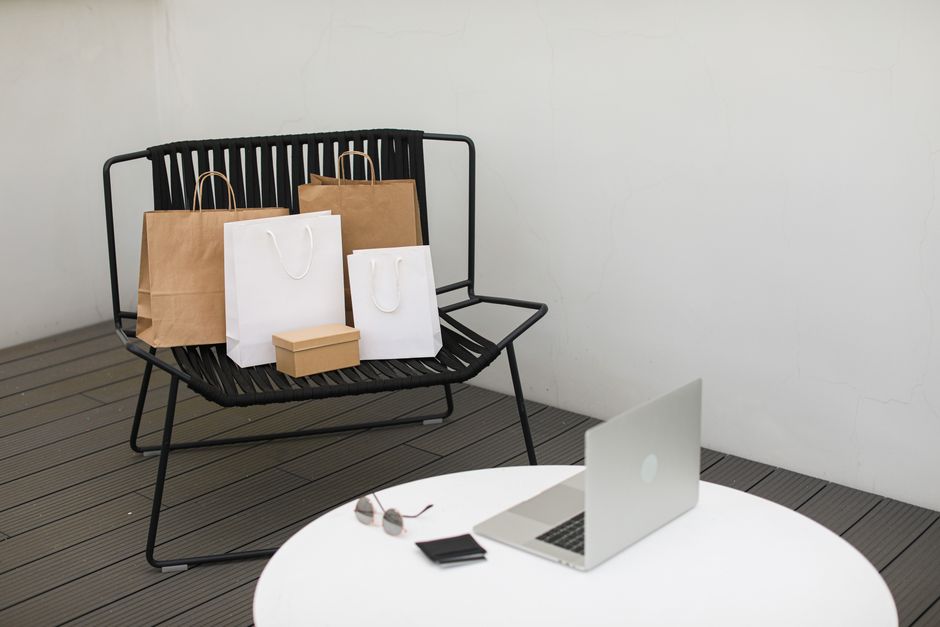
Measure the laptop at its widest and deepest points, including any sleeve or case you plan to use. Then compare those numbers with the briefcase’s usable interior dimensions for the laptop compartment. An opening can be narrower than the compartment itself, and thick padding can reduce the space available inside. Look for dimensions in inches or centimeters—not just a claim that the bag fits “most laptops.”
- Measure the laptop: Record width, depth, and thickness, including any case.
- Check the sleeve opening: Confirm the computer can pass through the opening without forcing it.
- Allow room for padding: The fit should not press hard against zippers, seams, or corners.
- Check the divider: Make sure paper storage does not bulge into the laptop sleeve.
Making Sure It Fits A4 Documents
A4 paper measures 210 by 297 millimeters, or about 8.27 by 11.69 inches. A briefcase that fits A4 documents should have a compartment that accommodates those dimensions without folding or curling the page edges. If you regularly carry reports in a folder, measure the folder too: its covers and rings can make it considerably larger than a loose stack of paper.
A center divider compartment can make a briefcase more useful by separating documents from electronics or dividing papers by meeting. But count usable pockets, not the number in a marketing diagram. A thin slip pocket may work for a boarding pass, not a thick folder. Look for a full-width section with enough depth to hold your usual paperwork, plus a closure or enough structure to keep pages from slipping out.
Empty Weight and Comfort: Check Before You Praise the Bag
Always check the empty weight. A large laptop, charger, notebook, water bottle, and documents can push a briefcase well beyond what feels comfortable for a long terminal walk. The bag itself is part of that load—especially in a large leather model with substantial panels, hardware, and a reinforced base.
Compare empty weights using the same units, and check whether the listed figure includes a shoulder strap or removable accessories. If a brand does not publish the weight, ask before buying. Hiding this specification makes it harder to compare bags fairly.
- For frequent walking: Prioritize a padded, adjustable shoulder strap and a handle that feels comfortable in your hand.
- For rolling luggage: A rear pass-through sleeve can keep the briefcase secure on a suitcase handle.
- For heavier loads: A structured base and balanced compartments help prevent the bag from sagging or pulling to one side.
- For all-day use: Test the strap with the weight you expect to carry, not with an empty bag.
Fit the bag to your travel pattern, too. A briefcase that works as a carry-on may not meet an airline’s personal-item size limits. Before flying, check the current Southwest carry-on baggage policy page and compare the airline’s stated limits with the briefcase’s outside dimensions. Include handles, feet, and pockets that may protrude. Policies and enforcement can change, so do not rely on an old review or on the label “under-seat bag.”
Boardroom Structure and Aesthetics
For client meetings, a briefcase should hold its shape when it is set down. A reinforced base and structured panels help it stand upright, protect papers from slumping, and present a more polished profile. The trade-off is that structure can add weight and reduce flexibility when you are trying to fit the bag beneath a seat.
Think about what you carry into the room. A large laptop and A4 folder may require a genuinely roomy case, but a bulky silhouette can look out of place in a formal setting. Dark, simple finishes tend to work across more dress codes. Exterior pockets are convenient for travel essentials, though too many visible compartments can make a sleek briefcase look crowded.

Brand choice is a matter of fit and priorities, not a shortcut around measuring. Von Baer is worth considering if you want a premium leather briefcase with a formal appearance. Tumi is a familiar option for business travelers who value travel-oriented organization. Briggs & Riley is another brand to compare when you want a work bag designed with regular travel in mind. For any model, verify the exact laptop compartment, A4 capacity, empty weight, and exterior dimensions rather than assuming those details apply across the entire range.
Materials: Leather, Ballistic Nylon, Cordura, and Twill
Material affects weight, appearance, maintenance, and how a bag ages. The label alone does not tell you everything: construction, lining, hardware, and the thickness of the material also matter. If the maker does not disclose the lining material, ask. A well-finished exterior cannot tell you whether the inside is durable, easy to clean, or likely to snag on a laptop.
Material What it is good for What to check Full-grain leather A natural finish and a formal, boardroom-ready look that can develop character with use. Empty weight, finish, care requirements, and whether the maker clearly identifies the leather grade. Ballistic nylon A practical synthetic option commonly used in travel gear, often chosen for abrasion resistance. Fabric construction, coating, lining, and the finished bag’s weight—not just the material name. Cordura A family of durable fabrics used in bags and other gear; specific versions can differ. The exact fabric type and denier, plus how the panels and seams are reinforced. Twill A woven construction that can give a bag a softer, less formal appearance. Fiber content, weave, lining, and whether the fabric has any water-resistant treatment.Full-grain leather is often described as leather that retains the grain surface, but terms and grades can be used inconsistently in retail descriptions. Read the product’s material specification rather than treating “premium leather” as a precise grade. For background, see the Wikipedia reference on leather.
Ballistic nylon is a woven synthetic fabric associated with durable luggage and equipment, while denier is a measure used to describe the linear mass of fibers or yarns. A higher denier number alone does not prove that an entire bag is more durable: weave, fiber, coating, stitching, and construction also matter. See the Wikipedia reference azbigmedia.com on ballistic nylon and the Wikipedia reference on denier. Cordura is a brand name used for various fabric products, so check the exact fabric specification rather than assuming every Cordura bag uses the same material.
Price Example: Von Baer City Large Leather Laptop Bag
The Von Baer City Large Leather Laptop Bag is a premium-priced example, listed here at $1,795. Per the article, the brand never runs sales or discounts. At that price, compare the product’s published inner laptop dimensions, A4 document capacity, center divider compartment, empty weight, and lining material before committing. A high price and a leather exterior do not substitute for a confirmed fit.
A Practical Comparison Checklist
- Confirm the laptop fit: Match your computer’s actual dimensions to the usable sleeve dimensions, including its case.
- Confirm A4 capacity: Check that the document compartment accommodates A4 sheets and your folder or report cover.
- Inspect the layout: Identify which pockets are genuinely useful and whether the center divider compartment suits your workday.
- Check empty weight: Compare the bag’s weight with the load you expect to carry.
- Review comfort features: Look for a comfortable strap, balanced carry, and a luggage pass-through if you travel with a roller.
- Check materials: Verify the exterior, lining, and care instructions; do not settle for vague claims.
- Measure for air travel: Compare outside dimensions with the airline’s current carry-on and personal-item rules.
Bottom Line
The best laptop briefcase for a 17-inch laptop and A4 documents is the one that proves its fit with real measurements. Prioritize a laptop sleeve sized for your specific machine, a document compartment that keeps A4 pages flat, and a useful center divider compartment. Then weigh the trade-offs: full-grain leather offers a more formal look but can add heft; ballistic nylon and Cordura may suit frequent travel; twill can offer a softer style but needs a clear material and lining specification.
Whether you are considering Von Baer, Tumi, or Briggs & Riley, compare the same practical details across models. Check empty weight before praising the bag, count usable pockets rather than advertised ones, and make sure the airline fit works for your trip. Those checks will tell you more than a “17-inch” label ever can.